




高精細LEDディスプレイ:知っておくべきこと!
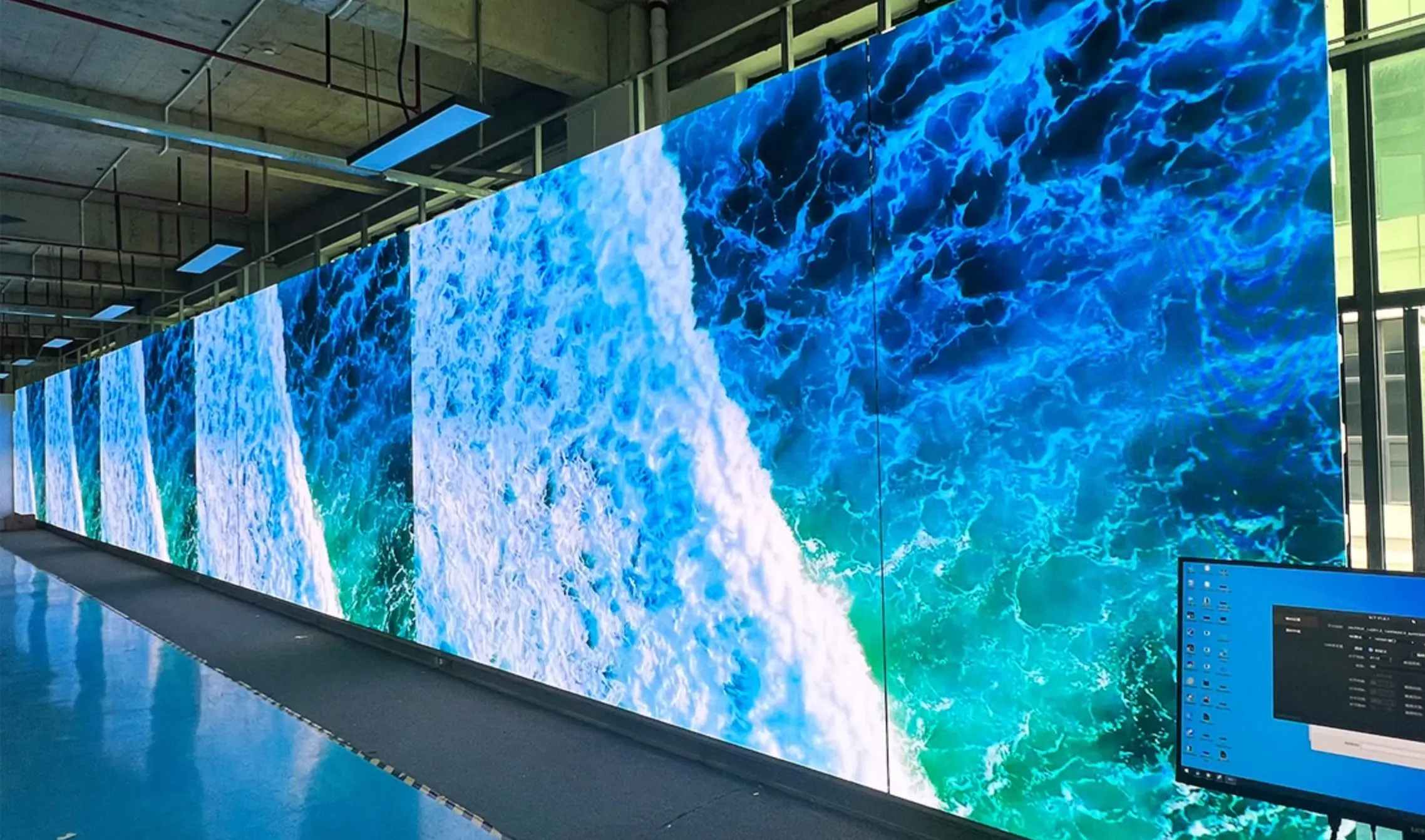
ハイビジョンLEDディスプレイとは?特徴、メリットとデメリット、応用分野、そして選定に関する要素について確認してください。

ハイビジョン LEDディスプレイ (あなたは必要ですか?)
ハイビジョンLEDディスプレイは、デジタルスクリーン業界のゲームチェンジャーとなりつつあります。これらの最先端のディスプレイは、優れた映像品質、鮮やかな色、そして卓越した解像度で知られており、業界全体で人気のある選択肢となっています。広告、エンターテインメント、あるいは重要情報の伝達を問わず、ハイビジョンLEDディスプレイは並外れた性能と柔軟性を提供します。では、それらはまさに何であり、なぜそれほど人気があるのでしょうか?
では、ハイビジョンLEDディスプレイとは何 exactly なのか?なぜ必要なのか、そしてコンテンツの提示方法やイベント運営、ワークスペースのアップグレード方法を革新的にどのように変革できるのでしょうか?
この投稿では、ハイビジョンLEDディスプレイについて知るべきすべてを説明します。何がそれらを唯一無二の存在にするのか、なぜ人気を集めているのか、技術要件、そしてニーズに合ったものを選ぶ方法を探求します。さらに、賢明な意思決定を支援するために、そのメリット、デメリット、価格、および多様な応用例に深く掘り下げていきます。
以下のクイックリンクを使って、異なるセクションに直接ジャンプしてください:
この記事の内容
- ハイビジョンLEDディスプレイとは?
- なぜ高解像度LEDスクリーンがこれほど人気なのか?
- 主要な技術要件
- LEDディスプレイの「高解像度」とは何を意味するのか?
- 高解像度LEDディスプレイの解像度基準
- 高解像度ディスプレイと低解像度ディスプレイの比較
- 高解像度LEDディスプレイにおける異なるLED技術
- 高解像度LEDスクリーンの一般的なピッチ
- 高解像度LEDディスプレイの価格
ハイビジョンLEDディスプレイとは?
高解像度LEDディスプレイは、発光ダイオード(LED)を使用して画像、動画、テキストを驚くほどの鮮明さと詳細さで表現する、次世代型のデジタルスクリーン技術です。この文脈における「高解像度」とは、スクリーン上のピクセル(微小な発光ドット)の密度を指し、表示される画像のシャープネスと鮮明さを決定する要素です。
従来の表示技術とは異なり、LEDディスプレイは卓越した明るさ、鮮やかな色、およびほぼ任意のサイズへのスケーリング能力を提供するため、 屋内用 および 屋外用 アプリケーション。
これらのディスプレイはモジュール式であり、様々なサイズや形状に設定できる小さなパネルやキャビネットを組み合わせて構成されます。この柔軟性により、曲線状、シームレス、または不規則な形状の画面を含む創造的なインストールが可能になります。
なぜ高解像度LEDスクリーンがこれほど人気なのか?
高解像度LEDスクリーンの普及は、技術の進歩、業界のニーズの変化、そして比類없는視覚的体験を提供する能力に起因します。
主な理由は以下の通りです。
高画質
高解像度LEDスクリーンは、鮮やかな色彩、深い黒、広視野角による優れた画質を提供します。高密度のピクセルにより、最も細かなディテールもくっきりと再現されるため、小売店、コントロールルーム、放送スタジオなど、近距離での視聴が一般的なアプリケーションに最適です。
シンプルな設置とメンテナンス
多くの高解像度LEDスクリーンは、取り付けとメンテナンスの容易さを考慮して設計されています。多くのモデルは 前面アクセスによるメンテナンス性, を備えており、技術者がスクリーン全体を分解せずに個別モジュールを交換できます。
従来のLEDスクリーンと比較して、修理が簡素化され、ダウンタイムが削減され、人通りの多い環境でもシームレスな動作が確保されます。
スムーズな映像を実現する高リフレッシュレート
もう一つの理由として、高解像度LEDスクリーンは通常1920Hz以上の高リフレッシュレートを搭載しています。3840Hzや7680Hz以上のものもあります。
これによりちらつきが排除され、スムーズな映像が実現されるため、ビデオ再生、生放送、イベントプレゼンテーションに最適です。高いリフレッシュレートは、安定したちらつきのない映像を提供することで、視聴者の体験をさらに高めます。
省エネス性能と耐久性
省エネ技術 はその人気のもう一つの理由です。高輝度のにもかかわらず、高解像度LEDスクリーンはLCDやプラズマなどの古いシステムよりも電力消費が少ないです。
一般的な技術としては、カソード側省エネ技術が含まれます。この技術により、電力消費を最大30%まで削減できます。
また、耐久性が高く、長期間使用しても性能が低下しません。
軽量設計
高解像度LEDディスプレイは軽量です。その軽量な構造により、特に重量制限がある会場での運搬や設置が容易になります。
黄金比のデザイン
LEDディスプレイは、黄金比を考慮した設計となっており、キャビネットの比率を最適化することで、美観と空間活用の向上を実現します。
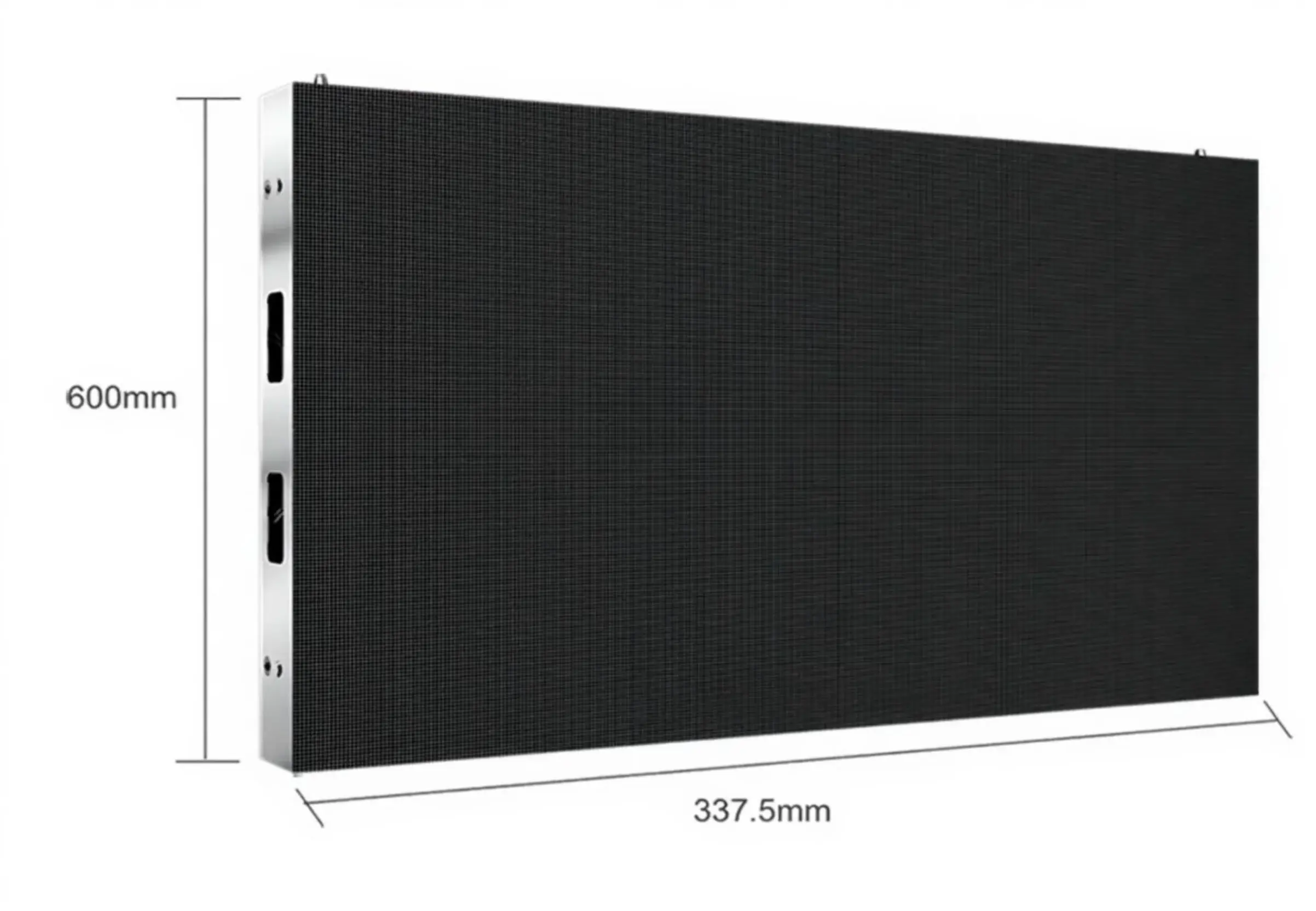
標準キャビネットは16:9または4:3の設計です。4K、8K、UHD対応のLEDスクリーンを容易に実現できます。これらのキャビネットには、640*480mm、600*337.5mm、320*480mmが含まれます。
主要な技術要件
高解像度LEDディスプレイを選定する際に、最適なパフォーマンスと長寿命を確保するためには、技術要件の理解が極めて重要です。
主な要素は以下のとおりです:
ピクセルピッチと密度
ピクセルピッチは、隣接する2つのピクセルの中心間の距離を指し、ミリメートル(mm)で測定されます。通常、文字のPと数字を組み合わせて表記し、P1.2、P2、P5などがあります。
ピクセルピッチが小さいほどピクセル密度が高く、映像はより鮮明になります。
一般的なピクセルピッチとそのピクセル密度は以下の通りです。
| ピクセルピッチ | LED解像度 |
| P1.25 | 640,000ドット/m² |
| P1.538 | 422,500ドット/m² |
| P1.667 | 360,000ドット/m² |
| P1.86 | 289,444 ドット/平方メートル |
| P2 | 250,000 ドット/平方メートル |
| P2.5 | 160,000 ドット/平方メートル |
| P3.076 | 105,625 ドット/平方メートル |
| P4 | 62,500 ドット/平方メートル |
| P5 | 40,000 ドット/平方メートル |
| P3 | 111,111 ドット/平方メートル |
| P1.953 | 262,144 ドット/平方メートル |
| P2.604 | 147,456 ドット/平方メートル |
| P2.976 | 112,896 ドット/平方メートル |
| P3.91 | 65,536 ドット/平方メートル |
| P4.81 | 43,264 ドット/平方メートル |
| P6 | 27,556 ドット/平方メートル |
| P6.67 | 22,500 dots/sqm |
| P8 | 15,625 dots/sqm |
| P10 | 10,000 dots/sqm |
| P16 | 3,906 dots/sqm |
| P3.33 | 90,000 dots/sqm |
| P5.925 | 28,561 dots/sqm |
Brightness and Contrast
Brightness, measured in nits, determines the screen’s visibility in various lighting conditions.
High resolution LED displays typically offer brightness levels ranging from 800 nits for indoor use to over 5000 nits for outdoor applications.
Contrast ratio, which measures the difference between the darkest and brightest parts of an image, is equally important. A higher contrast ratio ensures vivid and clear visuals.
リフレッシュレート
The refresh rate, measured in hertz (Hz), refers to how many times the screen refreshes its image per second.
High resolution LED displays often have refresh rates of 1920Hz or higher, ensuring smooth video playback and eliminating flicker, which is especially important for live broadcasts or when the screen is filmed.
Here are the main refresh rates that affect high resolution LED displays:
- 1920 Hz一般的なアプリケーションに使用され、ほとんどのビデオコンテンツに対して滑らかな映像を再現します。
- 3840 Hz性能が強化されており、専門的な放送や高速モーション映像に最適で、フリッカーを大幅に軽減します。
- 7680 Hz超ハイクラスなアプリケーション、特にライブイベントや放送のために設計されており、完璧な映像の鮮明さと最小限の遅延を確保します。
LEDディスプレイの「高解像度」とは何を意味するのか?
LEDディスプレイにおける「高解像度」の指定は、ピクセルピッチが最も重要であるが、いくつかの要因によって決定される。
一般的には、ピクセルピッチとピクセル密度という2つの要素があります。
ピクセルピッチ
ディスプレイは、至近距離でも鮮明で詳細な映像を再現できる場合、高解像度とみなされます。 視聴距離.
たとえば、ピクセルピッチ1.2mmの画面は、同サイズの4mm画面と比較してはるかに高いピクセル密度を備えており、より細部まで鮮明に表示できます。
ピクセル密度
もう一つの重要な要素は、総ピクセル数です。これは水平方向と垂直方向のピクセル数の積として計算されます(例:フルHDでは1920 x 1080、4Kでは3840 x 2160)。
高解像度ディスプレイは、これらの規格に適合するか、それを超越することを目的としています。
まとめとして、LEDディスプレイは、小さなピクセルピッチと高いピクセル密度を組み合わせることで、要求の厳しい用途に適した鮮明で詳細且つ鮮やかなビジュアルを提供できる場合、高解像度とみなされます。
高解像度LEDディスプレイの解像度基準
では、ここで疑問が生じるかもしれません。高解像度LEDディスプレイの解像度はどれほどなのでしょうか?
高解像度の規格について語る際、他のLCD画面で馴染みのある2K、4K、8Kという言葉に触れなければなりません。
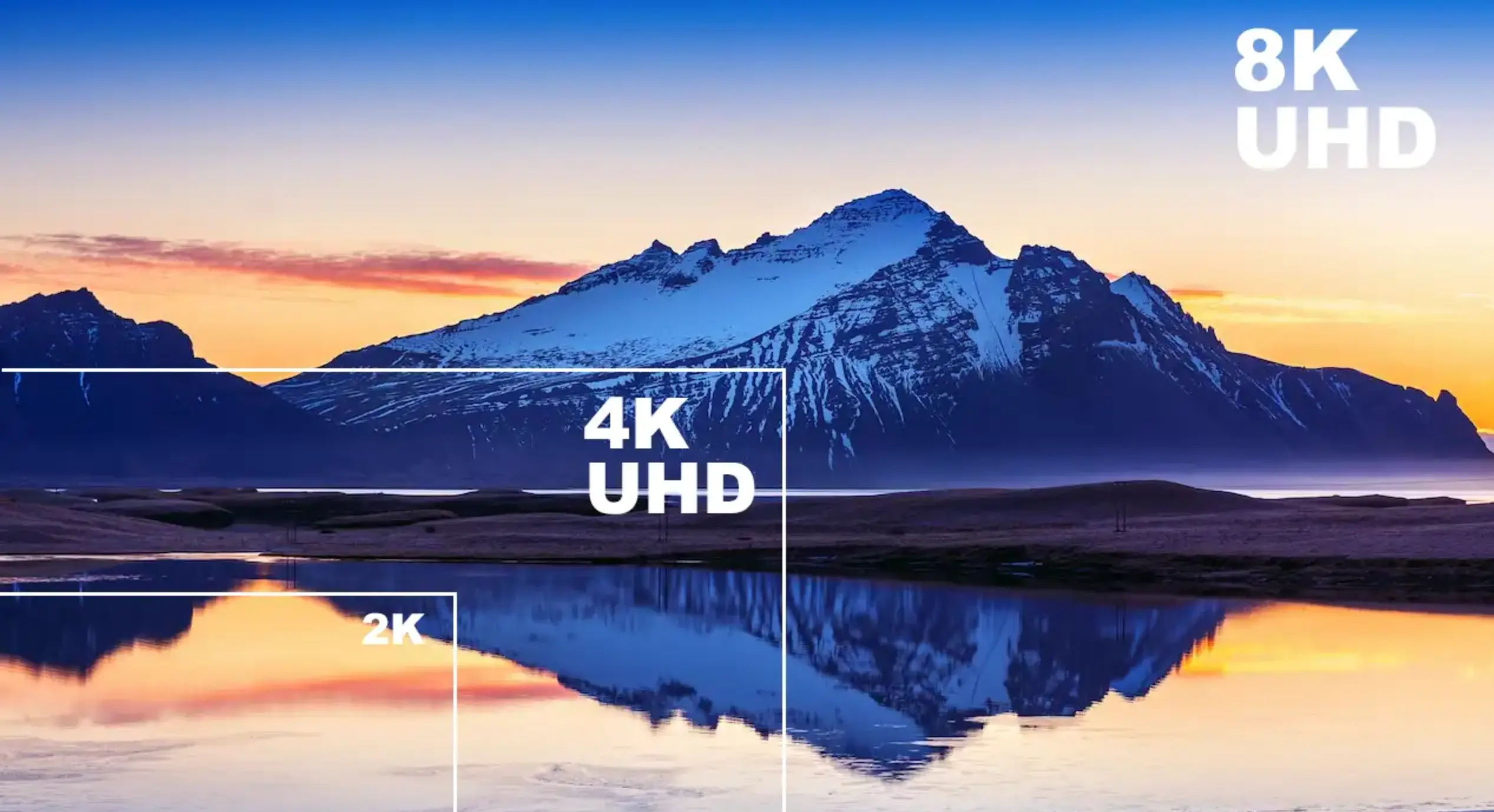
一般的に、LEDディスプレイが2K、4K、8Kの規格を満たしている場合、高解像度LEDスクリーンとみなされます。
以下に、2K、4K、8Kの解像度をまとめた表を示します。
| 解像度 | ピクセル寸法 | 総ピクセル数 | 一般的な用途 |
| 2K | 2048 x 1080 | 約220万画素 | デジタルシネマ、 教会, ショッピングセンター, など |
| 4K | 3840 x 2160 | 約830万画素 | TV Studios, Conference room, stage, museum, exhibition, など |
| 8K | 7680 x 4320 | ~33.2 million pixels | High-end displays, education, professional media, control room, etc |
Custom Resolutions
Because LED displays are modular, they can be constructed in virtually any size or aspect ratio, resulting in custom resolutions that may not conform to traditional display standards.
For example, a long, thin ticker display may have a resolution of 3840 x 200, while a square video wall might be 2048 x 2048.
Generally speaking, if the pixel density exceeds the 2K standard, the LED display also belongs to the high-resolution LED display.
高解像度ディスプレイと低解像度ディスプレイの比較
High resolution and low resolution displays differ significantly in various aspects including pixel density, price, viewing distance, and overall image quality.
Here is a summary table for your reference.
| Aspect | High Resolution Displays | Low Resolution Displays |
| ピクセル密度 | Higher (e.g., 4K: 3840 x 2160) | Lower (e.g., 1080p: 1920 x 1080) |
| Price | More expensive | More affordable |
| 視聴距離 | Closer viewing without pixelation | Further viewing needed to avoid pixelation |
| Image Quality | Superior detail and color accuracy | Basic clarity, less detail |
| 一般的な用途 | Professional, broadcasting, high-end displays | General use, budget applications |
高解像度LEDディスプレイにおける異なるLED技術
The evolution of LED technology has led to several different packaging and assembly methods, each with its own strengths and applications.
The three most prominent technologies for high resolution LED displays are SMD (Surface Mount Device), GOB (Glue on Board), and COB(Chip on Board).
SMD (Surface Mount Device)
SMD technology involves mounting tiny LED chips directly onto the surface of circuit boards. Each SMD package contains red, green, and blue diodes, allowing for full-color mixing in a compact footprint.
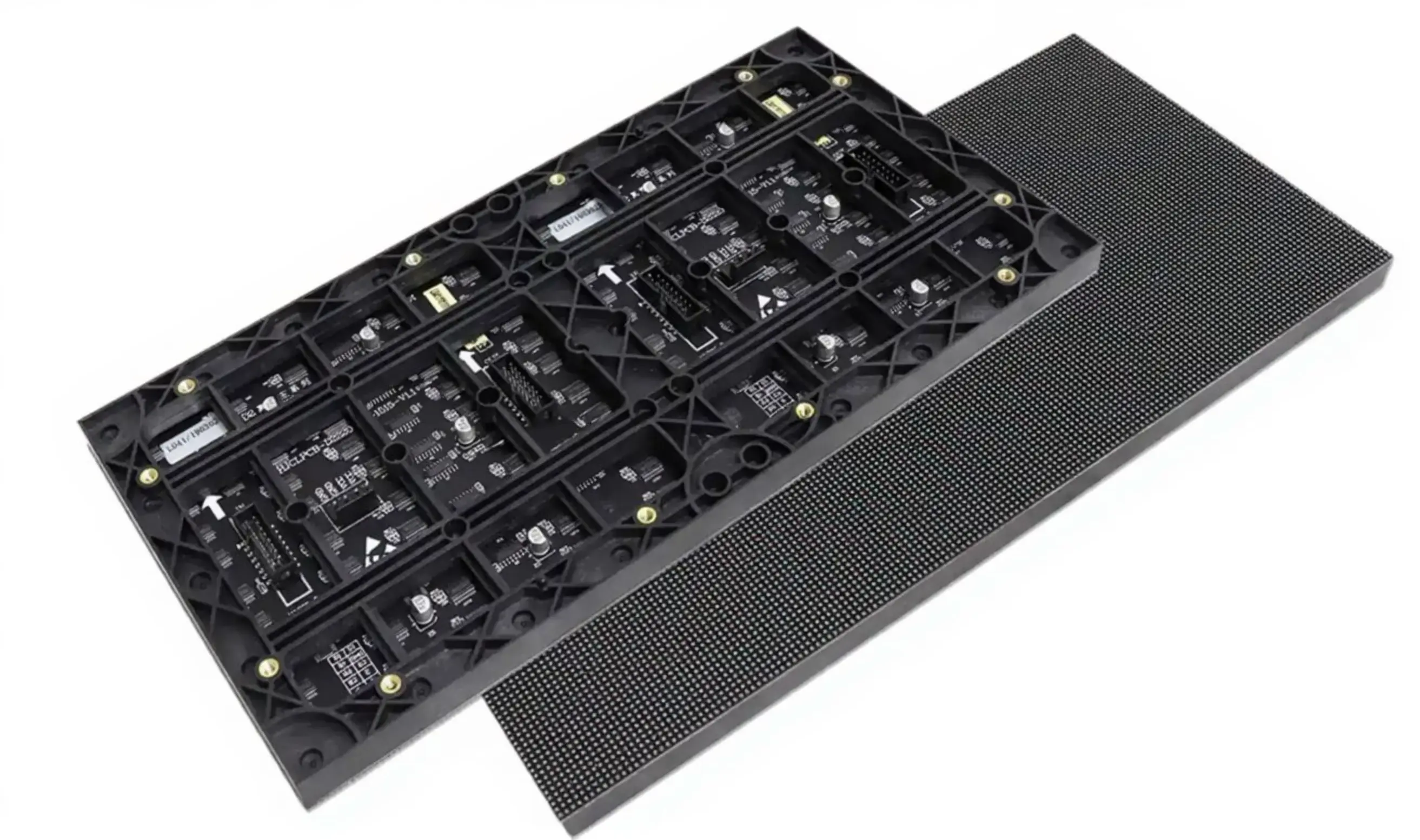
SMD has been the standard for high resolution LED displays due to its ability to achieve small pixel pitches and high brightness levels. SMD modules are relatively easy to produce and repair, making them a popular choice for both indoor and outdoor high-resolution video walls.
GOB(Glue on Board)
GOB technology builds upon SMD by applying a protective layer of transparent epoxy or silicone over the LEDs.
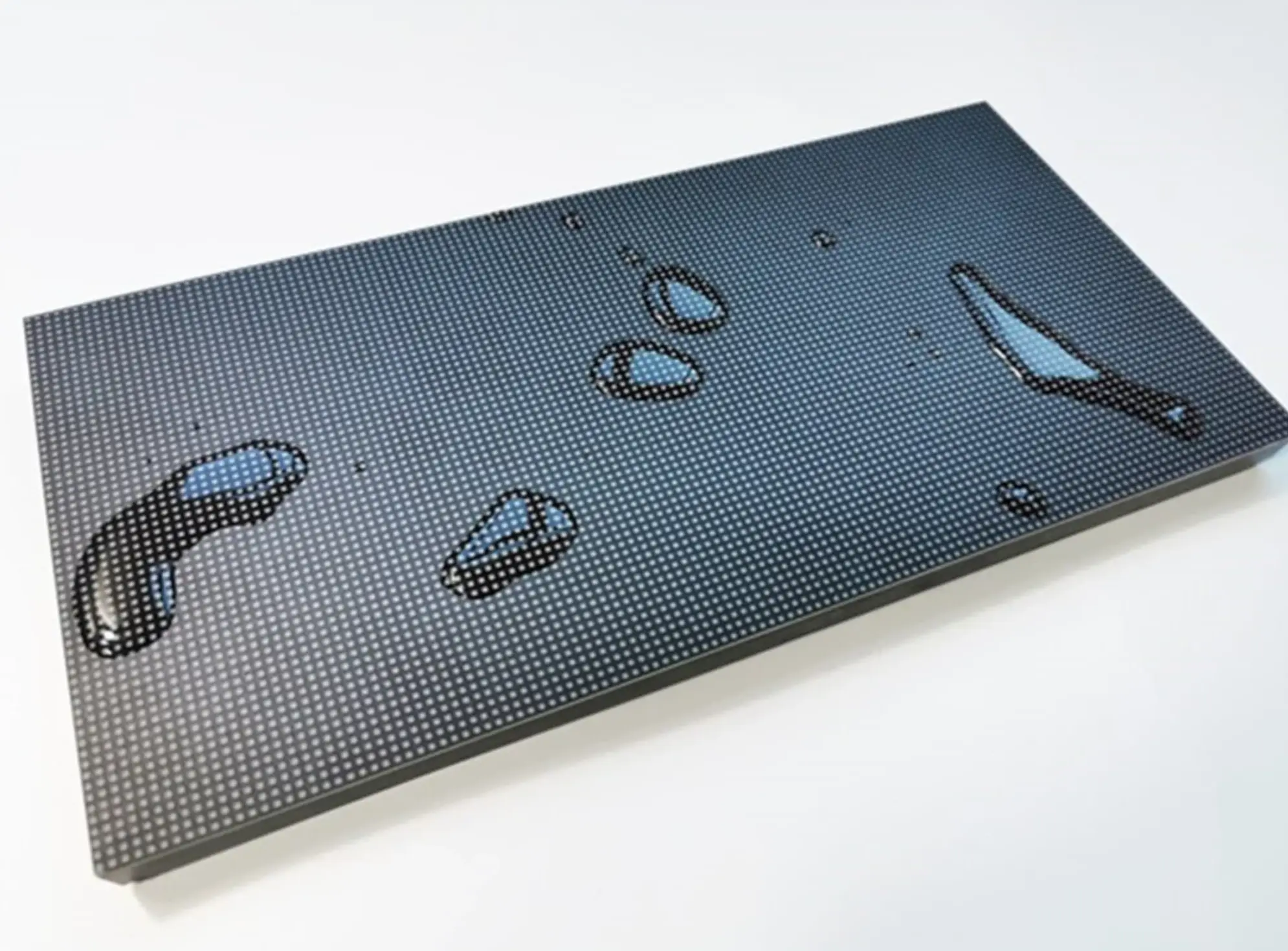
This layer shields the delicate diodes from dust, moisture, and physical impact, significantly enhancing durability and reliability.
GOB displays are ideal for environments where the screen may be touched, bumped, or exposed to harsh conditions, such as retail stores or public spaces.
COB(Chip on Board)
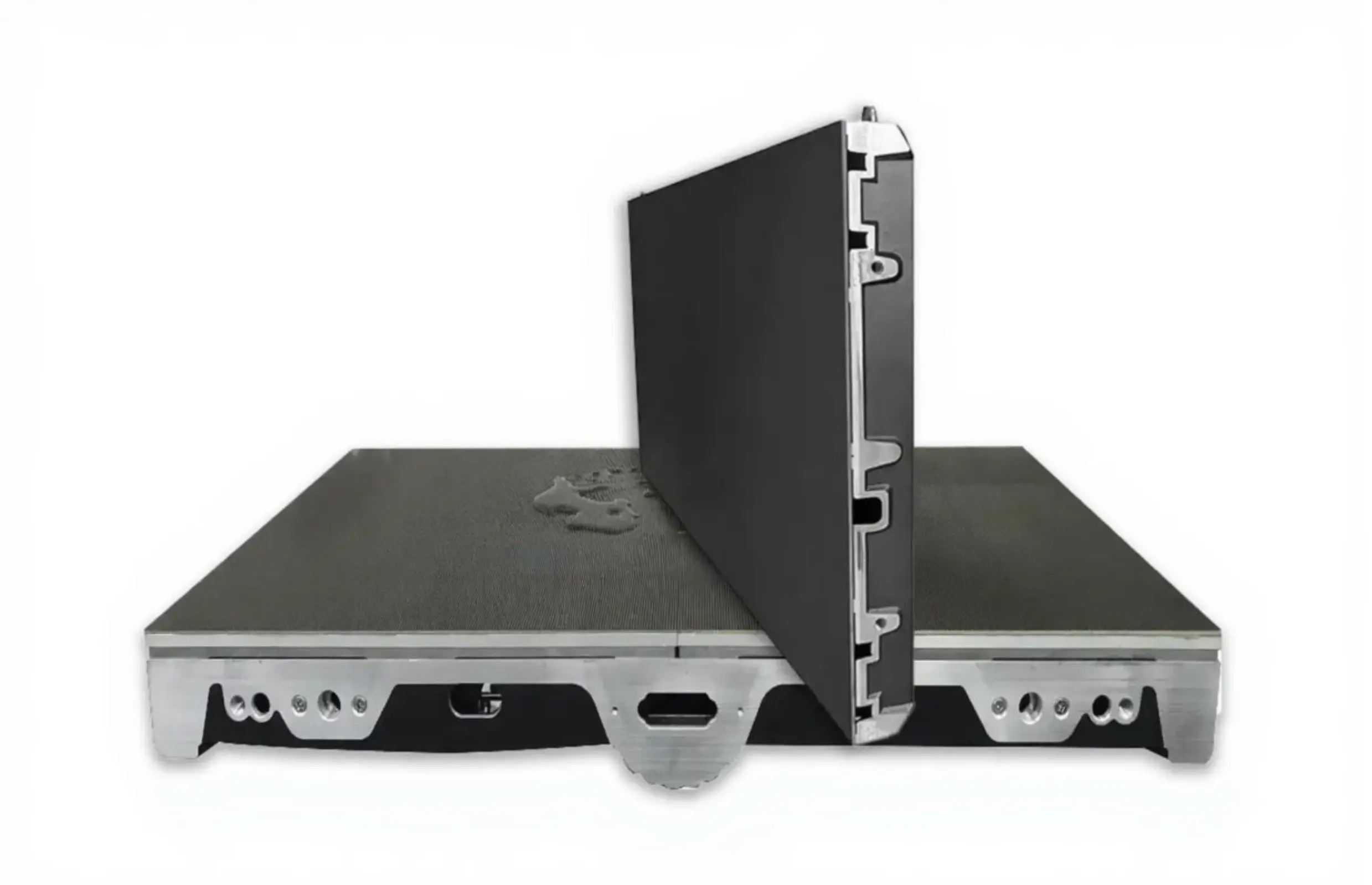
COB takes integration a step further by mounting LED chips directly onto the circuit board without individual packaging. This allows for even tighter pixel pitches, higher reliability, and improved thermal management.
COB displays are particularly well-suited for ultra-high resolution applications where pixel pitch is less than 1mm. The seamless surface also reduces glare and improves viewing angles, making COB an exciting option for the next generation of high resolution LED displays.
| 機能 | SMD | GOB | COB |
| LED Mounting | Mounted on PCB surface | SMD with glue coating | Chips bonded directly to PCB |
| Protection | Minimal (exposed) | Glue layer (waterproof, dustproof, anti-collision) | Resin layer (very robust) |
| Maintenance | Easier chip-level repair | Slightly harder due to glue | Hardest (chip-level repair difficult) |
| Display Quality | High, accurate blending | Same as SMD | Higher integration, less glare |
| 耐久性 | 低 | 良好 | 最高(耐衝撃・防塵・防滴) |
| コスト | 標準 | やや高い | 多くの場合、高い |
| アプリケーション | 屋内、屋外、 レンタル、広告、用途 | 屋内、屋外、レンタル、公共、人通りの多い場所での広告など | 高機能、高解像度、など |
高解像度LEDスクリーンの一般的なピッチ
以下は、高精細LEDディスプレイで一般的なピクセルピッチです:
| ピクセルピッチカテゴリ | ピクセルピッチ(mm) | 特徴 |
| ウルトラ小ピクセルピッチ | P0.6 – P1.2、P0.7、P0.9 など | 高いピクセル密度で、近距離からの鑑賞に最適。鮮明な画像を実現 |
| 小ピクセルピッチ | P1.2 – P1.5、P1.5、P1.6、P1.8 など | Extremely fine detail, suitable for high-end applications |
| Mid Pixel Pitch | P2 – P2.5 | Balanced clarity and cost, suitable for various environments |
高解像度LEDディスプレイの価格
The pricing of high resolution LED displays is influenced by several factors, including resolution, technology, and features.
Generally, high resolution displays, such as 2K, 4K and 8K, come at a premium compared to lower resolution options like 1K due to the increased number of pixels and advanced technologies required for production.
Why the Price Difference?
- ピクセル密度: Higher resolutions require more LEDs and sophisticated processing capabilities, driving up manufacturing costs.
- Technology: Advanced features such as high refresh rates, better color reproduction, and enhanced durability contribute to higher prices.
- Produce Process: High-resolution LED screen needs more complex production steps.
Comparison: 4K vs. 2K
- 4K Resolution (3840 x 2160): Typically priced between $1,500 to $3,000 per square meter due to its high pixel density, which provides exceptional detail and clarity.
- 2K Resolution (2048 x 1080 or 1920 x 1080): Generally more affordable, ranging from $400 to $1,000 per square meter, making it a cost-effective option for applications where ultra-high resolution is not critical.
For more information about 4K LED screens, check this.
| Metric | 2K LED | 4K LED | 8K LED |
| Physical Resolution | 1920×1080 | 3840×2160 | 7680×4320 |
| 総ピクセル数 | 2.07 million | 8.3 million | 33.18 million |
| Price | Low | Medium | High |
関連記事


