




จอแสดงผล LED สำหรับบ้าน: คู่มือฉบับสมบูรณ์
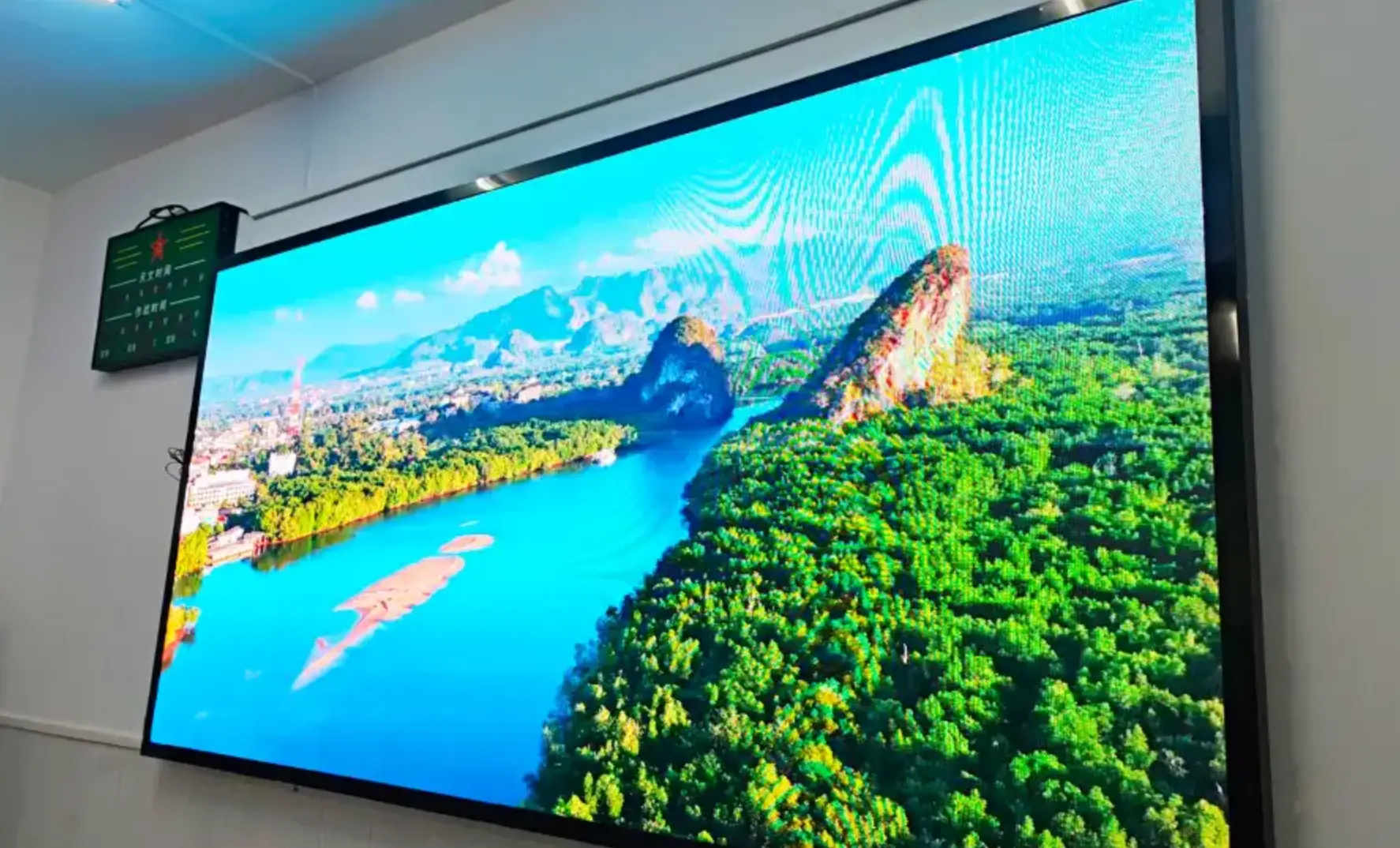
คู่มือฉบับสมบูรณ์สำหรับจอแสดงผล LED สำหรับบ้าน: แนะนำ ข้อดี วิธีเลือก ปัจจัยสำคัญที่ต้องพิจารณา การติดตั้ง ฯลฯ.
จอ LED ในบ้านคืออะไร (และคุณจำเป็นต้องมีหรือไม่)?
คุณเคยเข้าไปบ้านคนอื่นแล้วทึ่งกับผนังห้องนั่งเล่นจนอึ้ง—และเพิ่ง realizes ว่านั่นไม่ใช่แค่ทีวี แต่เป็นหน้าจอขนาดผนังทั้งแผ่นที่กำลังแสดงผลภาพที่สวยงามสะใจหรือไม่?
นั่นคือความรู้สึกของผมตอนแรกเมื่อเดินเข้าบ้านของเพื่อนที่เพิ่งรีโนเวทเสร็จใหม่ๆ และเห็นจอ LED ในบ้านทำงานอยู่ คุณภาพของภาพนั้นทำให้ตะลึง สีต่างๆ ดูมีชีวิตชีวา และจอหลอมรวมเข้ากับผนังอย่างแนบเนียนจนแทบจะเหมือนหน้าต่างที่มีชีวิตอยู่ ผมเข้าใจทันทีว่าจอ LED สำหรับบ้านไม่ได้มีไว้แค่ดูหนัง—it เกี่ยวข้องกับการสร้างจุดศูนย์กลางภาพที่ทันสมัย ซึ่งเปลี่ยนพื้นที่อยู่อาศัยทั้งหลังของคุณ.
การออกแบบบ้านที่สวย сегодняไม่ได้เกี่ยวกับแค่เฟอร์นิเจอร์ที่มีสไตล์หรือเลย์เอาต์ที่สร้างสรรค์อีกต่อไป มันเกี่ยวกับการรวมเทคโนโลยีที่ยกระดับทั้งฟังก์ชันและบรรยากาศ ในโลกที่ประสบการณ์ด้านภาพทรงอารมณ์ จิตใจ และดึงคนเข้าด้วยกัน ประเภทของหน้าจอที่คุณเลือกสามารถทำให้บ้านของคุณดูโดดเด่นได้.
นั่นคือเหตุผลที่ในคู่มือนี้ ผมจะพาคุณไปดูว่าจอ LED ในบ้านคืออะไร แตกต่างจากทีวีทั่วไปอย่างไร ประโยชน์หลักๆ ที่นำมาสู่ชีวิตแบบโมเดิร์นคืออะไร และสิ่งที่คุณควรพิจารณาหากคุณต้องการสร้างสภาพแวดล้อมในบ้านที่ immersive จริงๆ และ personalize หากคุณเคยฝันที่จะเปลี่ยนผนังของคุณให้เป็นผืนผ้าใบดิจิทัลที่น่าตื่นตา คุณมาถูกที่แล้ว.
ในบทความนี้
- จอ LED ในบ้านคืออะไร?
- ทำไมคุณถึงจำเป็นต้องมีจอ LED สำหรับบ้าน?
- ฟีเจอร์หลักของจอ LED ในบ้าน
- จอ LED ในบ้านสามารถทำอะไรได้บ้างเพื่อคุณ
- ประเภทของหน้าจอ LED สำหรับบ้าน
- ปัจจัยสำคัญในการเลือกหน้าจอ LED สำหรับบ้าน
- การวางแผนโครงการแรกของคุณ: ตัวอย่างขั้นตอนการทำงาน
- คำถามที่พบบ่อย
- สรุป
จอ LED ในบ้านคืออะไร?
หน้าจอ LED สำหรับบ้านคือโซลูชันภาพขั้นสูงสำหรับพื้นที่ในบ้าน โดยใช้เทคโนโลยี LED สมัยใหม่ในการสร้างหน้าจอขนาดใหญ่แบบไร้รอยต่อ ซึ่งเหนือกว่าทีวีแบบดั้งเดิมทั้งในด้านรูปแบบและฟังก์ชันการทำงาน.
มาทำความเข้าใจให้ชัดเจนขึ้นอีกหน่อย เพื่อให้คุณเห็นภาพรวมอย่างชัดเจน.
โทรทัศน์แบบดั้งเดิมไม่ว่าจะเป็น LED-backlit หรือ LCDก็มีขนาดและรูปแบบหน้าจอที่คงที่ และสร้างตามสเปกมาตรฐานของทีวี แตกต่างจากหน้าจอ LED สำหรับบ้านที่ผลิตจากแผงโมดูลาร์ที่สามารถประกอบเข้าด้วยกันได้ในขนาดหรือรูปร่างแทบทุกรูปแบบ สร้างผ้าใบรับชมแบบอิมเมอร์ซีฟไร้ขอบในห้องนั่งเล่นหรือพื้นที่ความบันเทิงของคุณ.
หน้าจอ LED สำหรับบ้านคืออะไร? คำอธิบายแบบง่าย: หน้าจอ LED สำหรับบ้านคือหน้าจอแบบโมดูลาร์ไร้รอยต่อที่สร้างจากแผง LED ขนาดเล็กจำนวนมาก (ซึ่งมักเรียกว่า “โมดูลหน้าจอ LED”) ที่ล็อกเข้าด้วยกันเพื่อสร้างหน้าจอขนาดใหญ่กว่า ไม่เหมือนทีวี LED-backlit LCD ที่แสงพื้นหลังส่องผ่านผลึกเหลว แต่ทุกพิกเซลใน จอแสดงผล LED มีคุณสมบัติเปล่งแสงเอง—แต่ละพิกเซลคือแหล่งกำเนิดแสงขนาดเล็ก ความแตกต่างพื้นฐานนี้ส่งผลให้ได้คอนทราสต์ที่โดดเด่น สีดำที่ลึกขึ้น และอิสระอย่างมากในขนาดและรูปทรง.
จอแสดงผลเหล่านี้ใช้ LED ที่เปล่งแสงเองเพื่อสร้างภาพที่สว่างสดใส มีสีเข้มดำ และคอนทราสต์สูง ซึ่งมอบข้อได้เปรียบสำคัญเมื่อเทียบกับทีวีทั่วไป โดยเฉพาะสำหรับครอบครัวที่มองหาคุณภาพระดับโรงภาพยนตร์ การติดตั้งที่ยืดหยุ่น และการบูรณาการเข้ากับบ้านอัจฉริยะ.
อย่างไรก็ตาม การเลือกจอ LED สำหรับบ้านไม่ได้เป็นเรื่องเพียงการได้หน้าจอขนาดใหญ่ขึ้นเท่านั้น คุณจะต้องพบตัวเลือกที่เกี่ยวข้องกับความหนาแน่นของพิกเซล ขนาด รูปทรง วิธีติดตั้ง และคุณสมบัติทางเทคนิคที่ปรับให้เข้ากับความจำเป็นเฉพาะของคุณและการออกแบบห้อง.
องค์ประกอบหลักของจอแสดงผล LED สำหรับบ้าน
เพื่อให้เข้าใจ工作原理ได้ดีขึ้น เรามาดูชิ้นส่วนที่สำคัญกัน
- โมดูล/ไทล์จอ LED: หน่วยพื้นฐานของจอแสดงผลเหล่านี้คือแผงวงจรที่ฝังตัวเรียงตัวของไดโอดเปล่งแสง (LED) ซึ่งมีหน้าที่เป็น “พิกเซล” ของจอ โดยจะสว่างด้วยสีและความเข้มที่หลากหลายเพื่อสร้างภาพและข้อความ.
- ตู้/กรอบ: ตู้เป็นโครงสร้างภายนอกที่แข็งแรงซึ่งบรรจุโมดูล LED และทำหน้าที่เป็นโครงสร้างหลัก จอตี้หลายตู้ถูกประกอบเข้าด้วยกันเพื่อสร้างจอแสดงผลขนาดใหญ่ที่ไร้รอยต่อ โดยมักประกอบด้วยฮาร์ดแวร์สำหรับยึดติดตั้งและระบบระบายความร้อน.
- หน่วยจ่ายไฟ: These components regulate and deliver the correct electrical power to the LED modules and control systems. Reliable power supplies ensure stable operation and prevent damage to sensitive electronics..
- Receiving/Control Cards: The control cards (or receiving cards) process the incoming image or video data and transmit the correct instructions to each individual LED module, ensuring accurate and synchronized display of content.
- Data Cables (Signal Connectors): Data or signal cables transfer video signals and control data between LED cabinets and from the control system to the display. Stable connections ensure smooth content playback without lag or glitches.
- Main Controller/Sending Card: The “brains” of the system, this device receives images, video streams, or live data from external sources (like computers or media players), processes them, and distributes the signals to the receiving cards.
ทำไมคุณถึงจำเป็นต้องมีจอ LED สำหรับบ้าน?
Why You Might Choose a Home LED Display When does a home LED display make sense over a bigger TV or a projector? The advantages are compelling:
That initial perception is difficult to achieve with static signage and even harder to update consistently with print.
1. Extreme immersion
The absence of bezels and the ability to match cinematic aspect ratios (like 16:9) mean content can fill the canvas without black bars. With a properly sized and calibrated display, the sensation is genuinely theater-like.
2. Resistance to ambient light
High brightness lets LED displays hold up in sunlit living rooms without needing blackout curtains—a notable advantage over projectors.
3. Unrivaled image quality
Self-emissive pixels deliver true blacks, extremely high perceived contrast, vivid color, and striking brightness. HDR content, in particular, benefits greatly from these attributes.
4. Freedom of size and shape
You can scale to a wall or carve the display into unique forms. Rectangular, curved, or creative shapes are all possible, allowing the screen to adapt to your architecture rather than the other way around.
5. Cost Efficiency
การลงทุนครั้งเดียวแทนที่วงจรสุดโต่งในการพิมพ์ ส่งมอบ ติดตั้ง และทิ้งวัสดุแบบคงที่ตลอดไป ตลอดอายุการใช้งานยาวนานของจอแสดงผล ช่วยประหยัดค่าใช้จ่ายและลดขยะ.
6. ความยืดหยุ่นแบบอเนกประสงค์
นอกเหนือจากทีวีและภาพยนตร์ จอ LED ในบ้านยังสามารถทำหน้าที่เป็นหอศิลป์ แผงควบคุมบ้านอัจฉริยะ หน้าต่างเสมือน ฉากหลังงานปาร์ตี้ หรือหน้าจอเล่นเกมขนาดยักษ์ พื้นผิวเดียวสามารถรับบทบาทได้หลายแบบตลอดวัน.
7. การจัดการเนื้อหาที่ยืดหยุ่น
ด้วยระบบจัดการเนื้อหาระยะไกล คุณสามารถควบคุมสิ่งที่ปรากฏบนจอ LED ในบ้านได้จากทุกที่อย่างง่ายดาย ความยืดหยุ่นนี้ช่วยให้ส่งข้อความที่ตรงกับเป้าหมายตามช่วงเวลา กลุ่มผู้ชม หรือเหตุการณ์เฉพาะ เพื่อเพิ่มประสิทธิภาพสูงสุดของการสื่อสาร.
8. อายุการใช้งานและความน่าเชื่อถือ
LED คุณภาพสูงออกแบบมาเพื่ออายุการใช้งานยาวนาน หากเกิดปัญหาเฉพาะจุด คุณสามารถ ซ่อมบำรุงโมดูลตัวเดียว แทนที่จะเปลี่ยนทั้งหน้าจอ ทำให้การบำรุงรักษาทำได้จริง.
8. ความเข้ากันได้ในอนาคต
As new formats and higher resolutions spread, your system can be updated by upgrading processors or control components rather than replacing the whole display.
ฟีเจอร์หลักของจอ LED ในบ้าน
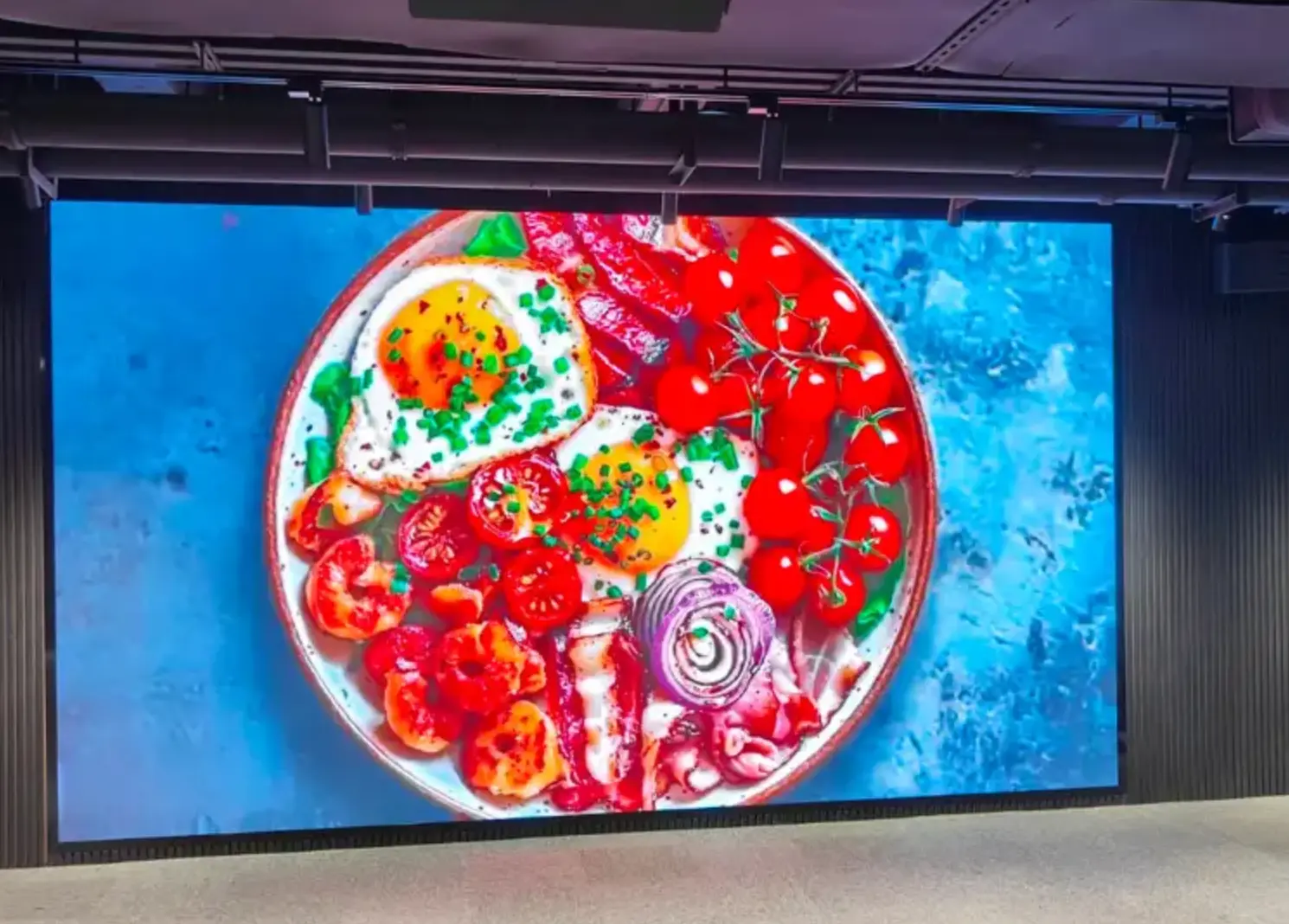
Here are five standout benefits that make them essential for today’s home:
High-resolution, small-pixel-pitch imaging
Pixel-level lighting control allows deep blacks and high resolution (2K, 4K, 8K, etc), high contrast, enhancing depth, dimensionality, and HDR performance.
Seamless modular canvas
Multiple panels create a large display with virtually no visible seams, eliminating distracting borders.
High brightness with vivid color
Exceptional luminance keeps the picture punchy in bright rooms, while wide color capability renders vibrant, lifelike images.
Dynamic Content Capabilities
Home LED displays can showcase a wide variety of content, including videos, animations, images, and real-time data feeds.
จัดการเนื้อหาจากระยะไกล
Remote Content Management allows you to update and manage the content displayed on your home LED screen from anywhere using an internet connection. This means you can instantly change images, videos, or information without being physically present at home.
จอ LED ในบ้านสามารถทำอะไรได้บ้างเพื่อคุณ
Home LED displays offer a multitude of functionalities that can significantly enhance the home experience and improve communication within a space. Here’s a closer look at what these displays can do for your home environment:
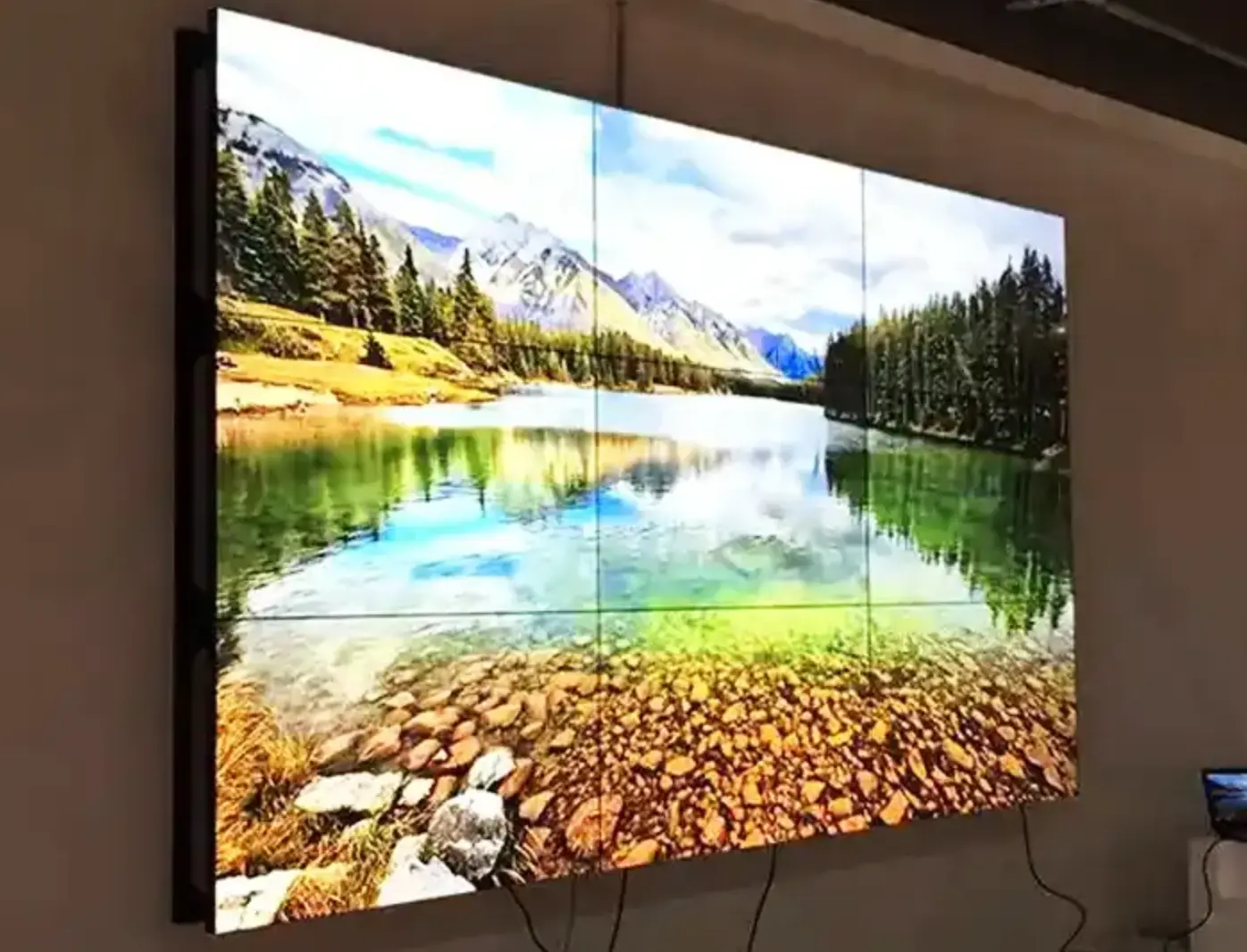
Create cinema-grade immersion at home
Enjoy films and series without letterbox bars, tuned to your preferred aspect ratio and seating distance. The self-emissive contrast enhances shadow detail and highlights.
Elevate sports viewing
Scale up the screen so the action feels life-sized. The clarity and brightness make day games and brightly lit broadcasts pop.
Unlock next-level gaming
A massive, low-latency, high-refresh canvas increases immersion and situational awareness, making open worlds and fast-paced titles more engaging.
Host social gatherings with presence
Play music videos, highlights, or ambient visuals as a live backdrop that animates the room without dominating conversation.
Power productivity and collaboration
In a study or home office, the extra real estate enables multi-window workflows, large spreadsheets, charts, and crisp video conferencing.
Curate a digital art gallery
Display rotating works of digital art, photography, or family albums. The screen doubles as decor—alive and responsive to mood or season.
Create virtual windows and atmospheres
Render forests, oceans, or space scenes for ambience and relaxation. The display becomes a dynamic environmental element.
ประเภทของหน้าจอ LED สำหรับบ้าน
Here are the main types of home LED displays:
1. Indoor small-pixel-pitch LED walls
These displays are most commonly used in residential spaces. Fine-pitch refers to their small pixel spacing (often between 0.9mm–2.5mm), which allows for ultra-high-definition images even at close viewing distances. They’re perfect for living rooms, home theaters, or anywhere viewers sit near the screen, offering crisp details, vibrant colors, and a truly immersive experience.
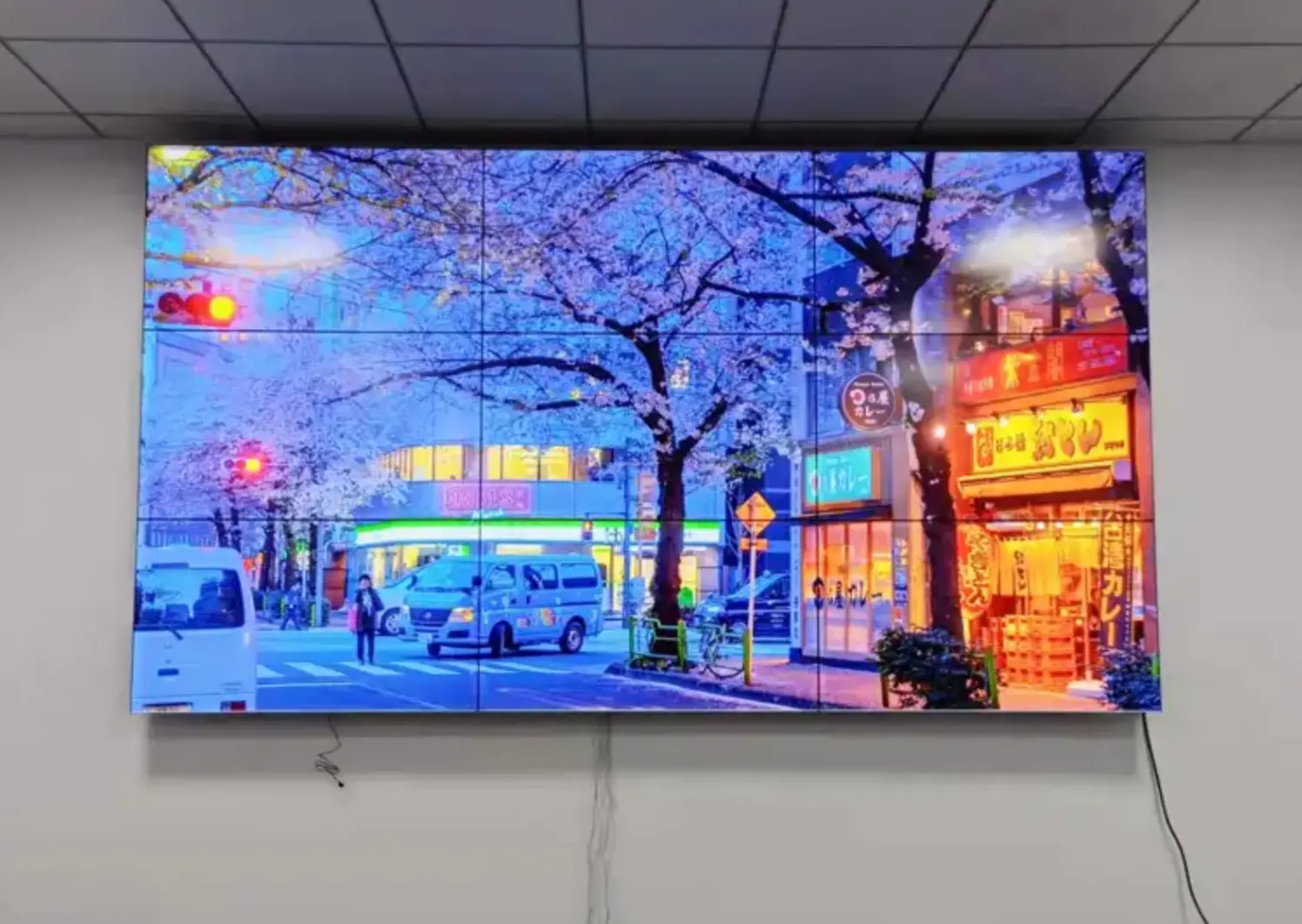
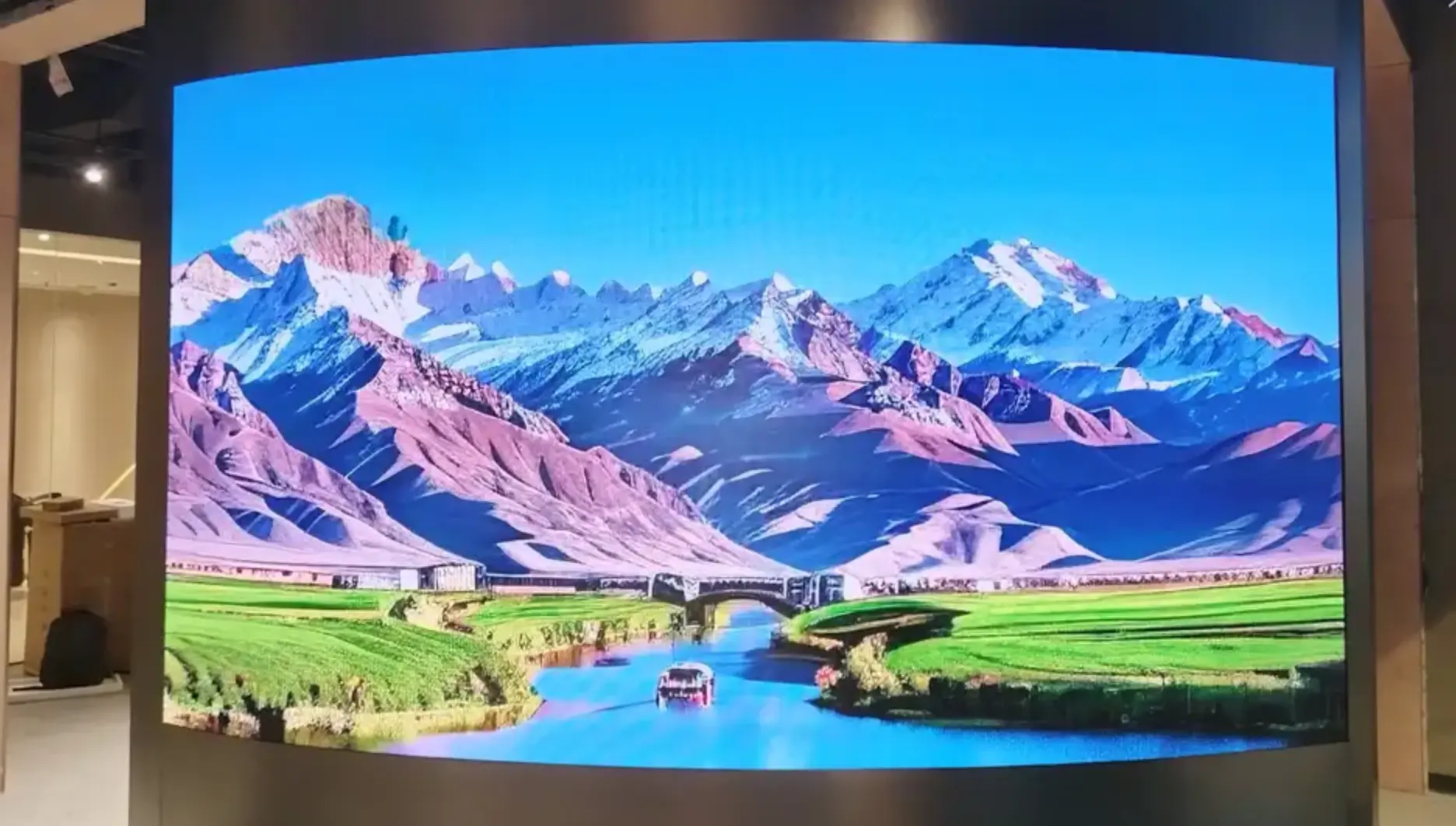
2. Flexible and Custom-Shaped LED Displays
Modern home LED systems aren’t limited to flat, rectangular screens. Flexible LED panels can be formed into curves, circles, waves, and other creative shapes, allowing homeowners to design feature walls, wraparound displays, or visually striking installations. This customization transforms the display into both a functional screen and a striking piece of interior décor, suitable for art galleries, creative home studios, or lounge spaces.
3. Creative and custom-shaped LED displays
For iconic statements, creative LED forms break away from flat rectangles. Options include spheres with 360-degree visibility, cylinders and curved wraps around structural columns, logo-shaped silhouettes, and irregular sculptural surfaces. They merge art and technology, becoming focal points people remember and share.
4. GOB (Glue On Board) LED Displays
GOB LED displays enhance traditional SMD LED panels by adding a protective resin coating (“glue”) over the module surface. This extra layer shields the LEDs from dust, moisture, static, and physical impact, making the display more robust and durable for home environments—especially where children or pets might be a concern. GOB improves the panel’s lifespan and is an excellent choice for high-traffic spaces or installations close to the ground.
5. COB (Chip On Board) LED Displays
COB LED technology เชื่อมต่อชิป LED โดยตรงลงบนแผงวงจรและหุ้มด้วยสารห่อหุ้ม เพื่อสร้างพื้นผิวเรียบสม่ำเสมอที่มีระบบระบายความร้อนดีขึ้นและทนทานมากขึ้น ส่งผลให้มีความทนทานต่อความชื้นและฝุ่นละอองได้ดีขึ้น มีลักษณะที่ดูนุ่มนวลกว่าเมื่อมองจากในระยะใกล้ และแผงแสดงผลทนต่อความถี่ในการทำความสะอาดหรือสัมผัสได้มากขึ้น จอแสดงผล COB กำลังได้รับความนิยมมากขึ้นในบ้านหรูและสถานที่ที่ให้ความสำคัญทั้งคุณภาพภาพและความทนทาน.
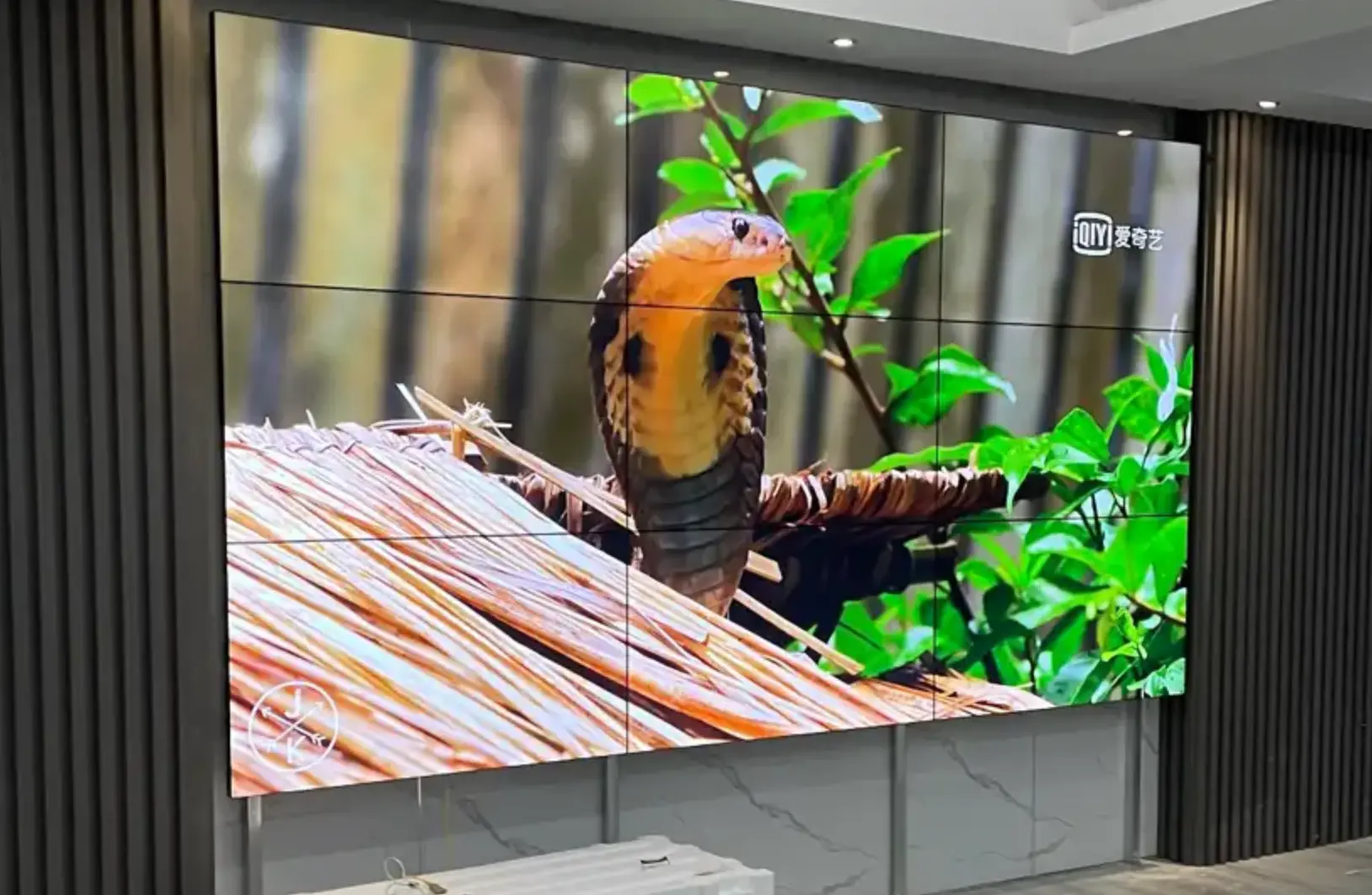
6. จอแสดงผล LED โปร่งใส
แม้ยังพบได้น้อยในที่พักอาศัย แต่จอแสดงผลโปร่งใสเริ่มปรากฏขึ้นในบ้านหรูแล้ว จอภาพเหล่านี้ช่วยให้แสงธรรมชาติและทิวทิวทัศน์ลอดผ่านหน้าจอได้ ทำให้หน้าต่างหรือผนังกั้นกระจกกลายเป็นพื้นที่สำหรับแสดงผลงานศิลปะ ข้อมูล หรือบรรยากาศไดนามิก โดยไม่บดบังโลกภายนอก.
ปัจจัยสำคัญในการเลือกหน้าจอ LED สำหรับบ้าน
การเลือกโซลูชัน LED ที่เหมาะสมเป็นสิ่งสำคัญอย่างยิ่งในการเพิ่มคุณค่าจากการลงทุนของคุณ นี่คือปัจจัยสำคัญที่ต้องพิจารณา:
1. รูปทรง
- รูปทรงสี่เหลี่ยมมาตรฐาน: ความเข้ากันได้ของเนื้อหาสูงสุดและอเนกประสงค์มากที่สุด.
- การจัดวางแบบโค้ง: ผลกระทบการโอบล้อมที่ดียิ่งขึ้นสำหรับห้องชมภาพยนตร์และห้องเล่นเกม.
- รูปทรงสร้างสรรค์: วงกลม ทรงกระบอก หรือคลื่น เพื่อความโดดเด่นด้านความสวยงาม โปรดจำไว้ว่าอาจจำเป็นต้องมีเนื้อหาเฉพาะทางเพื่อให้ผลลัพธ์ดีที่สุด.
2. ระยะพิกเซล ขนาดหน้าจอ และระยะรับชม
เลือกระยะพิกเซลและขนาดหน้าจอร่วมกัน เนื่องจากทั้งสองปัจจัยกำหนดความละเอียดและระยะนั่งรับชมที่สบายที่สุดร่วมกัน.
ระยะการดู ตรวจสอบว่าเมื่อมองจากจุดนั่งหลัก โครงสร้างพิกเซลไม่รบกวนสายตา หากงบประมาณเอื้ออำนวย การเลือกพิกช์พิกเซลที่เล็กกว่าในขนาดที่เท่ากันมักจะช่วยปรับปรุงความคมชัดที่รับรู้และความยืดหยุ่นของตำแหน่งที่นั่ง.
- กฎเกณฑ์ง่ายๆ:
- ระยะการดูที่เหมาะสม (เมตร) ≈ พิกช์พิกเซล (มม.) × 1 ถึง 3
- การวางแผนโดยคำนึงถึงความละเอียด:
- หากกำหนดความละเอียดพิกเซลเป้าหมาย (เช่น 3840 × 2160 สำหรับความกว้าง “4K”) คุณสามารถประมาณความกว้างที่ต้องการได้:
- ความกว้างของหน้าจอ (เมตร) ≈ จำนวนพิกเซลแนวนอน ÷ (1000 ÷ พิกช์พิกเซลในหน่วย มม.)
- หากกำหนดความละเอียดพิกเซลเป้าหมาย (เช่น 3840 × 2160 สำหรับความกว้าง “4K”) คุณสามารถประมาณความกว้างที่ต้องการได้:
- ตัวอย่างการคำนวณ (ความกว้าง 4K ที่ P1.5):
- ความกว้าง ≈ 3840 ÷ (1000 ÷ 1.5) ≈ 5.76 เมตร
- คำแนะนำเชิงปฏิบัติ:
- For many living rooms with seating around 3–4 meters, P1.2 to P1.8 paired with roughly 100–150 inches diagonal is a strong, balanced choice.
| พิชพิกเซล | Minimum Viewing Distance | Optimal Viewing Distance | Maximum viewing distance |
| P1.25 mm | 1.25 m (4.1ft) | 2.5 to 3.75 m (8.2ft to 12.3ft) | 38m (127.4 ft) |
| P1.5 mm | 1.5 m (4.9ft) | 3 to 4.5 m (9.8ft to 14.8ft) | 45m (147.6 ft) |
| "P1.86 มม.", | "1.86 ม. (6.1 ฟุต)", | "3.7 ถึง 5.6 ม. (12.1 ถึง 18.4 ฟุต)", | "56 ม. (183.7 ฟุต)", |
| "P2 มม.", | "2 ม. (6.6 ฟุต)", | "4 ถึง 6 ม. (13.1 ถึง 19.7 ฟุต)", | "60 ม. (196.9 ฟุต)", |
| "P2.5 มม.", | "2.5 ม. (8.2 ฟุต)" | 5 ถึง 7.5 ม. (16.4 ฟุต ถึง 24.6 ฟุต) | 75 ม. (246.1 ฟุต) |
| P3 มม. | 3 ม. (9.8 ฟุต) | 6 ถึง 9 ม. (19.7 ฟุต ถึง 29.5 ฟุต) | 90 ม. (295.3 ฟุต) |
| P3.91 มม. | 3.91 ม. (13 ฟุต) | 7.8 ถึง 11.7 ม (19.5 ถึง 29.1 ฟุต) | 117 ม (291 ฟุต) |
| P4 มม | 4 ม (13.1 ฟุต) | 8 ถึง 12 ม (26.2 ถึง 39.4 ฟุต) | 120 ม (393.7 ฟุต) |
| P5 มม | 5 ม (16.4 ฟุต) | 10 ถึง 15 ม (32.8 ถึง 49.2 ฟุต) | 150 ม (492.1 ฟุต) |
| P6 มม. | 6 ม. (19.7 ฟุต) | 12 ถึง 18 ม. (39.4 ถึง 59.1 ฟุต) | 180 ม. (590.6 ฟุต) |
| P8 มม. | 8 ม. (26.2 ฟุต) | 16 ถึง 24 ม. (52.5 ถึง 78.7 ฟุต) | 240 ม. (787.4 ฟุต) |
| P10 มม. | 10 ม. (32.8 ฟุต) | 20 ถึง 30 ม. (65.6ft ถึง 98.4ft) | 300 ม. (984.1 ft) |
| P16 มม. | 16 ม. (52.5ft) | 32 ถึง 48 ม. (105ft ถึง 157.5ft) | 480 ม. (1574.8 ft) |
| P20 มม. | 20 ม. (65.6ft) | 40 ถึง 60 ม. (131ft ถึง 197ft) | 600 ม. (1969 ft) |
3. Budget
A clear budget helps you prioritize pitch, size, processor capabilities, and design elements to meet your goals.
- The display itself: Cost scales strongly with pixel pitch (smaller pitch means higher density and cost) and with advanced technologies (COB generally costs more than SMD).
- Video processing: A dedicated processor is essential for source management, scaling, color handling, and HDR support.
- Mounting and professional services: Structural mounting, installation, and calibration typically represent a significant portion of total project cost.
การวางแผนโครงการแรกของคุณ: ตัวอย่างขั้นตอนการทำงาน
When you have decided to choose a LED display for your home, here are some steps you can follow:
- Define goals: Rank your priorities (cinema, sports, gaming, art, productivity).
- Measure the room: Confirm wall dimensions and seating distance.
- Apply the pitch rule: Use the 2–3× pixel pitch rule to identify a comfortable range.
- Sketch resolution targets: If you want a truly “4K-wide” canvas, estimate the physical width needed at your chosen pitch.
- Shortlist technology: Start with SMD for value and maturity; consider COB for elevated durability and surface comfort if within budget.
- Budget categories: Allocate across display, processor, mounting/labor, and wiring. Keep some contingency for fine-tuning and unexpected needs.
- Choose partners: Select a reputable brand and an integrator with strong residential experience and reliable support.
- Approve design and timeline: Finalize drawings, power and conduit plans, and installation schedule.
- Install and calibrate: Let professionals assemble, align, calibrate, and test across sources.
- Live with it: Create user-friendly control scenes and enjoy the new possibilities.
คำถามที่พบบ่อย
Is it only for very large rooms?
No. While home LED displays excel at large scales, smaller installations (e.g., around 100 inches) can work beautifully in studies or modest living rooms, especially with finer pixel pitches.
Do I need a dark room like a projector?
No. One of the strengths of LED is its high brightness, which maintains image quality in brighter environments without strict light control.
Is maintenance difficult?
Routine care is simple—light dusting and basic cleanliness. The modular design limits the impact of localized issues.
Will it feel like a TV to operate?
Yes. With proper integration, you’ll select sources and adjust the display with a familiar remote, app, or smart controller.
สรุป
In this post, we’ve journeyed through the transformative potential of home LED displays. We clarified what these cutting-edge visual systems entail, differentiating them from conventional televisions and exploring their key features, types, and capabilities.
Moreover, we’ve provided a comprehensive guide on how to approach the selection process, considering crucial factors such as pixel pitch, viewing distance, integration, and budget, ensuring you can make informed decisions tailored to your lifestyle. If you’re ready to elevate your home’s visual experience and create a stunning centerpiece that reflects your unique style, this technology offers a compelling solution. For personalized advice and professional installation, please contact us to help bring your vision to life.
บทความที่เกี่ยวข้อง


