




LCD และ LED: ความแตกต่างที่แท้จริงคืออะไร? คู่มือเปรียบเทียบที่ดีที่สุด
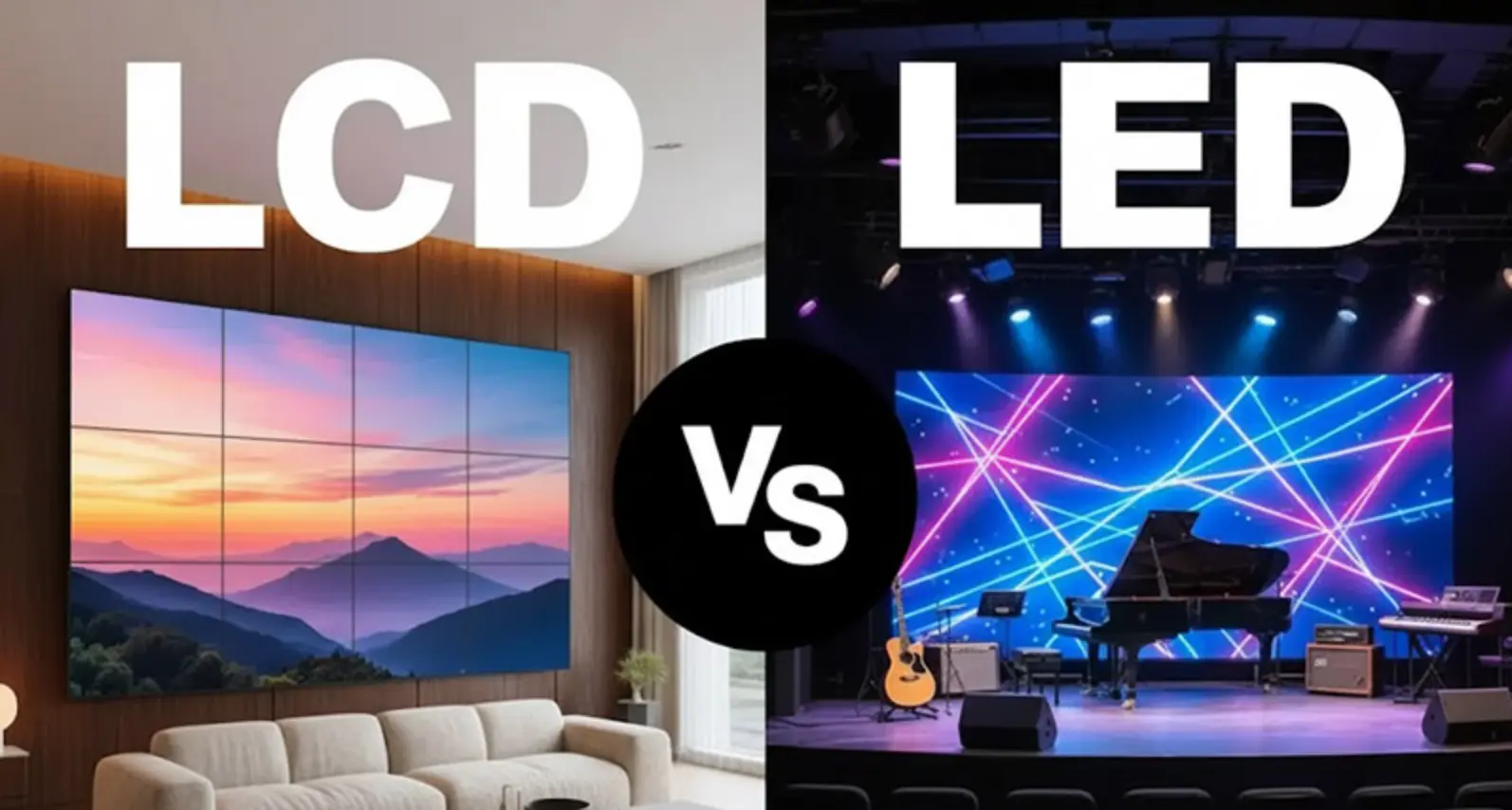
ในโลกที่เน้นดิจิทัลของเรา จอแสดงผลอยู่รอบตัวเราทุกที่ – ตั้งแต่สมาร์ทโฟนในกระเป๋าไปจนถึงป้ายโฆษณาขนาดใหญ่ในสนามกีฬา.
ในโลกที่เน้นดิจิทัลของเรา จอภาพรายล้อมเราทุกที่ – ตั้งแต่สมาร์ทโฟนในกระเป๋าไปจนถึงจอแสดงผลโฆษณาขนาดใหญ่ในสนามกีฬา เมื่อพูดถึงเทคโนโลยีจอภาพ มีสองชื่อที่ครองบทสนทนา: LCD (จอแสดงผลคริสตัลเหลว) และ LED (ไดโอดเปล่งแสง) แต่สิ่งใดกันแน่ที่แยก keduanya ออกจากกัน?
ความแตกต่างพื้นฐานอยู่ที่วิธีการผลิตแสง จอ LCD ใช้คริสตัลเหลวที่บล็อกหรือยอมให้แสงจากแหล่งแสงแบ็คไลท์แยกต่างหากเข้ามา ในขณะที่จอ LED ประกอบด้วยไดโอดเปล่งแสงขนาดเล็กที่สร้างแสงสว่างด้วยตัวเอง ซึ่งส่งผลให้ภาพสว่างจ้าขึ้นและมีประสิทธิภาพพลังงานที่ดีขึ้น.
คู่มือฉบับสมบูรณ์นี้จะพาคุณไปผ่านทุกสิ่งที่คุณต้องรู้เกี่ยวกับเทคโนโลยี LCD และ LED เพื่อช่วยให้คุณตัดสินใจอย่างรอบคอบสำหรับการซื้อจอภาพครั้งต่อไปของคุณ.
ในบทความนี้
- ทำความเข้าใจจอ LCD: เทคโนโลยีจอภาพคลาสสิก
- จอ LED: ปฏิวัติการส่องสว่างแบบทันสมัย
- ความแตกต่างหลัก: เปรียบเทียบ LCD กับ LED แบบตัวต่อตัว
- การใช้งานในชีวิตจริง: เทคโนโลยีแต่ละชนิดโดดเด่นในจุดใด
- การเลือกระหว่าง LCD และ LED: คู่มือการตัดสินใจของคุณ
- เทคโนโลยีใดเป็นผู้ชนะ? คำตัดสิน: LCD กับ LED
- ข้อคิดสุดท้าย

ทำความเข้าใจจอ LCD: เทคโนโลยีจอภาพคลาสสิก
จอ LCD คืออะไร?
จอแสดงผลผลึกเหลว (LCD) เป็นอุปกรณ์แสดงผลแบบแบนและบางเฉียบซึ่งใช้งานกันอย่างแพร่หลายในอุปกรณ์อิเล็กทรอนิกส์หลากหลายประเภท แสดงภาพโดยใช้ผลึกเหลว ซึ่งเป็นสารที่สามารถเปลี่ยนคุณสมบัติได้เมื่อได้รับแรงไฟฟ้า ผลึกเหล่านี้ไม่ได้สร้างแสงด้วยตัวเอง แต่ทำหน้าที่เหมือนกลีบปิดเปิดขนาดเล็ก ควบคุมปริมาณแสงที่ผ่านมาจากแหล่งแสงพื้นหลัง.
ความงามของเทคโนโลยี LCD lies อยู่ที่ประสิทธิภาพของมัน ซึ่งสร้างภาพที่คมชัดโดยไม่ประสบปัญหา “การติดค้างของภาพ” (burn-in) ที่เคยพบในเทคโนโลยีรุ่นเก่า ดังนั้นจึงใช้งานกันอย่างแพร่หลายในจอคอมพิวเตอร์ ทีวี มือถือ แท็บเล็ต และอื่นๆ.
เทคโนโลยี LCD ทำงานอย่างไร?
ลองนึกภาพแซนด์วิชที่มีผลึกเหล่วอยู่ตรงกลาง เมื่อไฟฟ้าไหลผ่าน ผลึกเหล่านี้จะบิดและหมุน โดยจะปิดกั้นแสงหรือปล่อยให้แสงผ่านผ่านตัวกรองสี แต่ละพื้นที่เล็กๆ (พิกเซล) สามารถควบคุมแยกกัน เพื่อสร้างภาพที่คุณเห็นบนหน้าจอ.
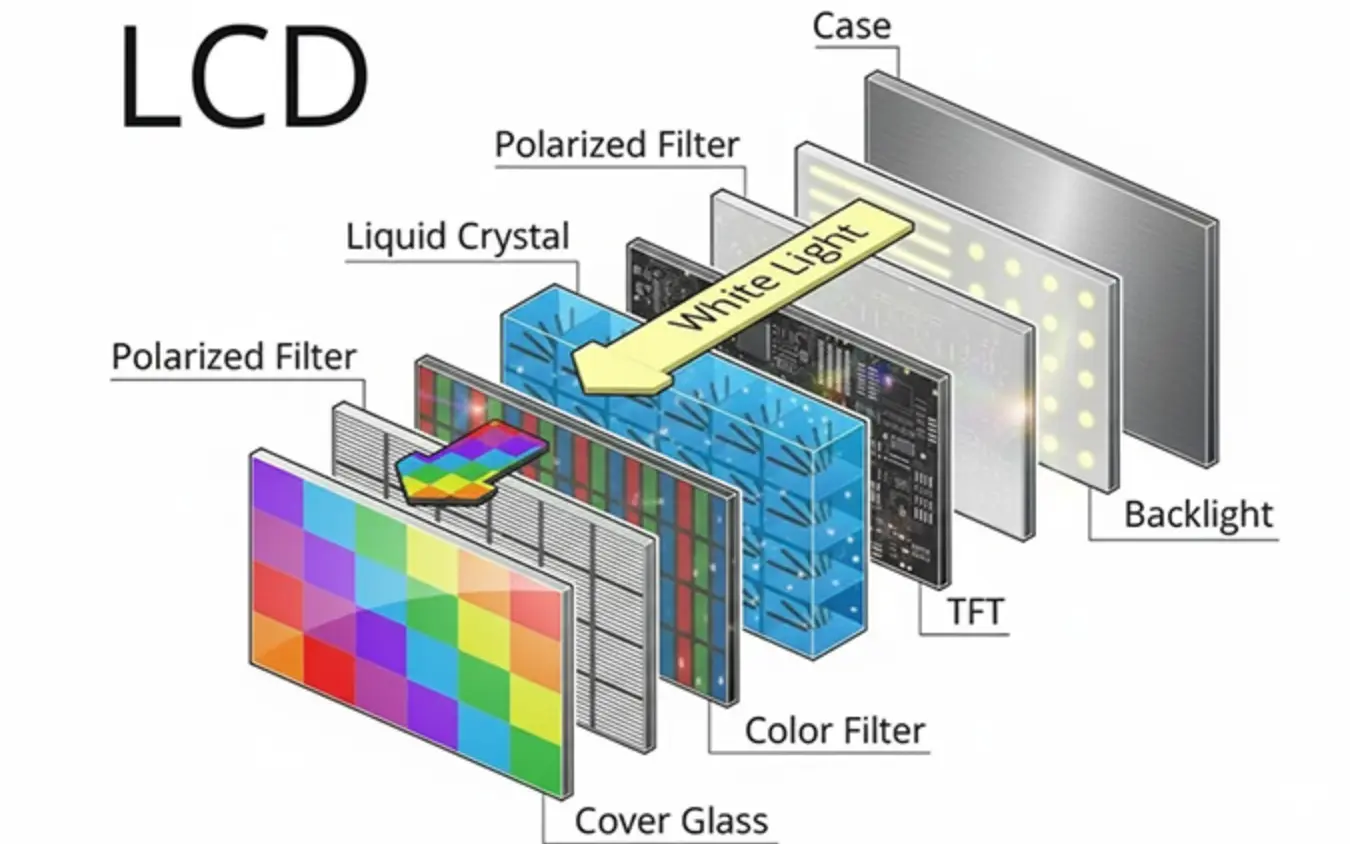
ส่วนประกอบหลักของจอแสดงผล LCD
• ชุดแสงพื้นหลัง (Backlight Unit): แหล่งกำเนิดแสงหลังหน้าจอ (LCD รุ่นปัจจุบันใช้แสงพื้นหลังแบบ LED)
• ชั้นผลึกเหลว (Liquid Crystal Layer): ใจสำคัญของการแสดงผลที่ควบคุมการผ่านของแสง
•Polarizing Filters: Help control light direction for clearer images
•Color Filters: Create the red, green, and blue colors that mix to form all other colors
•Control Electronics: Precisely manage each pixel’s behavior
•Driver Circuit: It receives signals from an external source and converts them into voltage signals that drive the liquid crystal molecules.
Key Advantages
✓ Slim and lightweight design
✓ Energy efficient operation
✓ Long lifespan with no image retention
✓ Sharp, high-resolution images
Limitations
✗ Limited viewing angles
✗ Slight motion blur in fast action scenes
✗ Less perfect black levels due to constant backlight
จอ LED: ปฏิวัติการส่องสว่างแบบทันสมัย
What is LED Display?
LED displays represent the next generation of screen technology. Instead of filtering light like LCDs, each tiny LED pixel creates its own light. This self-illuminating approach delivers superior brightness, deeper blacks, and more vibrant colors.
How LED Screens Create Images?
Each LED is like a microscopic light bulb that can be turned on or off individually. By controlling thousands or millions of these tiny lights with precision timing, LED displays create stunningly clear images with exceptional contrast.

LED Display Structure Breakdown
•Pixel Units: Individual light-emitting diodes arranged in grids
•Control Systems: Smart chips that manage brightness and color
•Power Management: Efficient systems that minimize energy use
•Modular Design: Allows for flexible sizing and custom shapes
•Protective Housing: Durable frames for indoor and outdoor use
LED Benefits:
✓ Incredible brightness even in sunlight
✓ Flexible sizing from small signs to massive video walls
✓ Exceptionally long lifespan
✓ Outstanding energy efficiency
Limitations
✗ Higher initial cost for premium models
✗ Resolution varies with viewing distance for large displays
✗ More complex installation requirements
ความแตกต่างหลัก: เปรียบเทียบ LCD กับ LED แบบตัวต่อตัว
1. Light Source Technology LCD: Uses external backlight with liquid crystal filters LED: Self-emitting pixels create their own light
2. Image Quality Comparison LED displays consistently deliver better contrast with truer blacks and more vibrant colors. LCD screens can show some light bleed around edges, making blacks appear grayish.
3. Energy Efficiency LED technology uses significantly less power, especially important for large displays or continuous operation. LCDs require more energy to maintain consistent backlighting.
4. Design Flexibility While LCD panels come in standard sizes, LED displays can be customized into virtually any shape or size, from curved walls to transparent screens.
Comparison Table at a Glance:
| คุณสมบัติ | LCD Display | LED Display |
| Light Source | Separate backlight | Self-emitting pixels |
| Brightness | Good for indoor use | Excellent for all conditions |
| Black Levels | Good | Exceptional |
| Energy Use | Moderate | Highly efficient |
| Thickness | Standard thickness | Ultra-slim options |
| Color Quality | Very good | Outstanding |
| Lifespan | Long | Extremely long |
| Cost | Budget-friendly | Premium investment |
| Best For | Home and office use, small devices | Billboards, Stadiums, Signage, Commercial Applications |
สรุปแล้ว ความแตกต่างระหว่างหน้าจอ LCD และ LED อยู่ที่การกำเนิดแสง คุณภาพภาพ ประสิทธิภาพการใช้พลังงาน และความยืดหยุ่น สำหรับธุรกิจและกิจกรรมที่ต้องการสมรรถนะสูง ความสามารถในการขยายตัว และผลกระทบทางภาพที่โดดเด่น หน้าจอ LED เป็นทางออกที่ล้ำสมัยและใช้งานหลากหลายมากกว่า.
การใช้งานในชีวิตจริง: เทคโนโลยีแต่ละชนิดโดดเด่นในจุดใด
เมื่อเปรียบเทียบหน้าจอ LCD และ LED สถานการณ์การใช้งานจะเน้นความแตกต่างสำคัญ เทคโนโลยี LCD ยังคงครองตลาดในอุปกรณ์ส่วนตัวขนาดเล็ก เช่น สมาร์ตโฟนและมอนิเตอร์ ในขณะที่หน้าจอ LED โดดเด่นในสถานที่เชิงพาณิชย์ขนาดใหญ่ เช่น ป้ายดิจิทัล และสถานที่สาธารณะ ซึ่งให้ความสว่างและความสามารถในการขยายตัวที่ดีกว่า.
การใช้งานหน้าจอ LCD
• อิเล็กทรอนิกส์ในชีวิตประจำวัน: เหมาะสำหรับแล็ปท็อป แท็บเล็ต มอนิเตอร์คอมพิวเตอร์ และสมาร์ตโฟน ซึ่งความคุ้มค่าด้านต้นทุนมีความสำคัญที่สุด.
• บ้านและสำนักงาน: เหมาะสมกับสภาพแวดล้อมที่หน้าจอถูกมองจากด้านตรงและมีการควบคุมแสงสว่าง.
• ป้ายดิจิทัลพื้นฐาน: Great for indoor information displays and retail price tags.

การนำหน้าจอ LED ไปใช้งาน
•Outdoor Advertising: Billboards and building wraps that need to be visible in direct sunlight.
•Retail Experiences: Engaging store displays that capture customer attention with vibrant visuals.
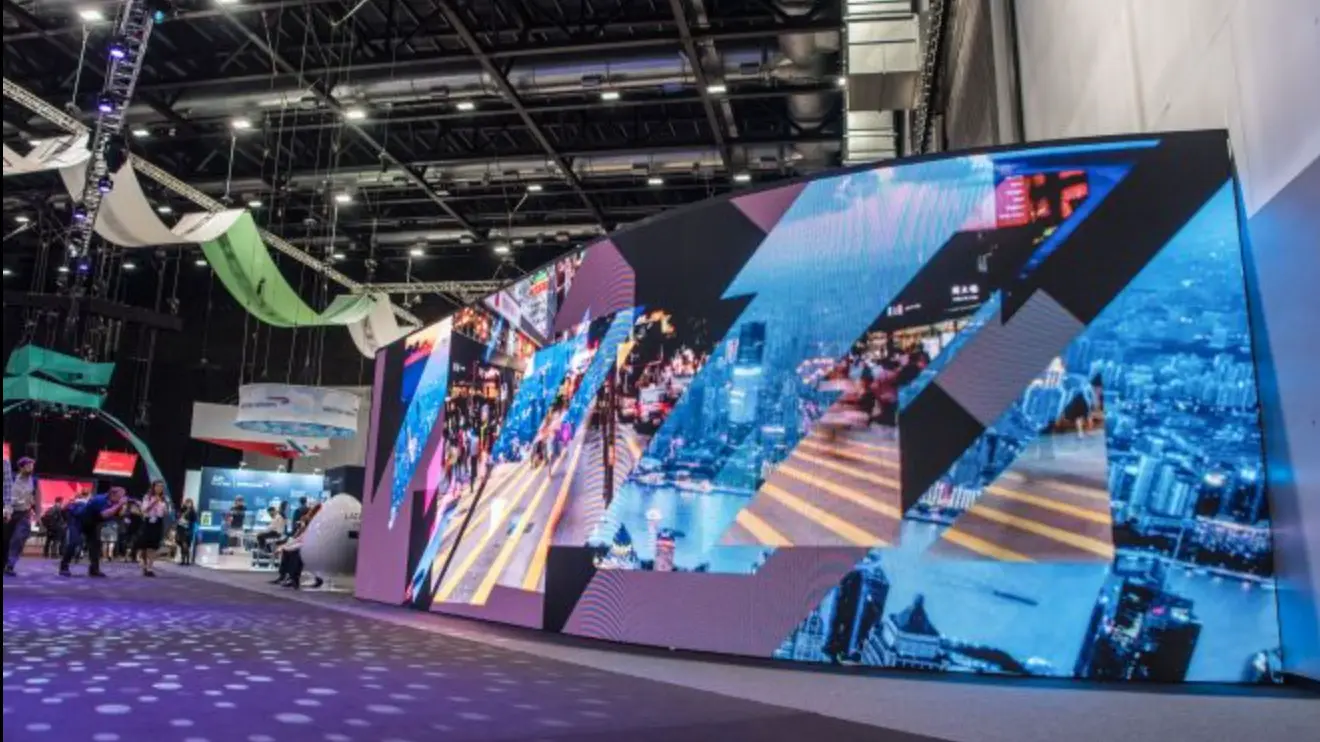
•Entertainment Venues: Stadium scoreboards, concert screens, and event displays that demand impact.
•Transportation Hubs: Airport and train station displays that need to be readable from any distance.
•Creative Installations: Museum exhibits, trade show displays, and architectural integrations.
การเลือกระหว่าง LCD และ LED: คู่มือการตัดสินใจของคุณ
1. Consider Your Image Quality Needs If you prioritize deep blacks and vibrant colors for visual impact, LED is your best choice. For general viewing where cost matters more, LCD works perfectly.
2. Think About Your Space LED’s flexibility allows for custom sizes and shapes, while LCD comes in standard dimensions. Consider your installation space and viewing angles.
3. Evaluate Lighting Conditions LED performs brilliantly in bright environments, while LCD works best in controlled lighting situations.
4. Calculate Long-Term Value While LCD has lower upfront costs, LED offers better energy savings and longevity for continuous use.
5. Match Technology to Your Purpose Home entertainment? LCD often suffices. Business advertising? LED delivers superior results.
เทคโนโลยีใดเป็นผู้ชนะ? คำตัดสิน: LCD กับ LED
For personal use like home TVs and computer monitors, LCD technology provides excellent value and performance. However, when it comes to commercial applications, advertising, or situations requiring maximum visual impact, LED displays clearly outperform their LCD counterparts.
The right choice depends entirely on your specific needs, budget, and application requirements.
ข้อคิดสุดท้าย
Both LCD and LED technologies have their place in today’s display landscape. LCD remains the go-to choice for affordable, reliable displays in personal and office settings. LED technology delivers premium performance for commercial applications where visual impact, flexibility, and longevity matter most.
When making your decision, consider your primary use case, budget constraints, and the specific performance characteristics that matter most to your situation. Whether you choose LCD or LED, understanding these fundamental differences ensures you’ll select the perfect display technology for your needs.
If you would like to know more our Led screen information and pricing, please contact us!
Want to confirm which solution fits your project? Contact us for a custom quote.
บทความที่เกี่ยวข้อง


