




LCDとLEDディスプレイ:本当の違いとは? 最高の比較ガイド
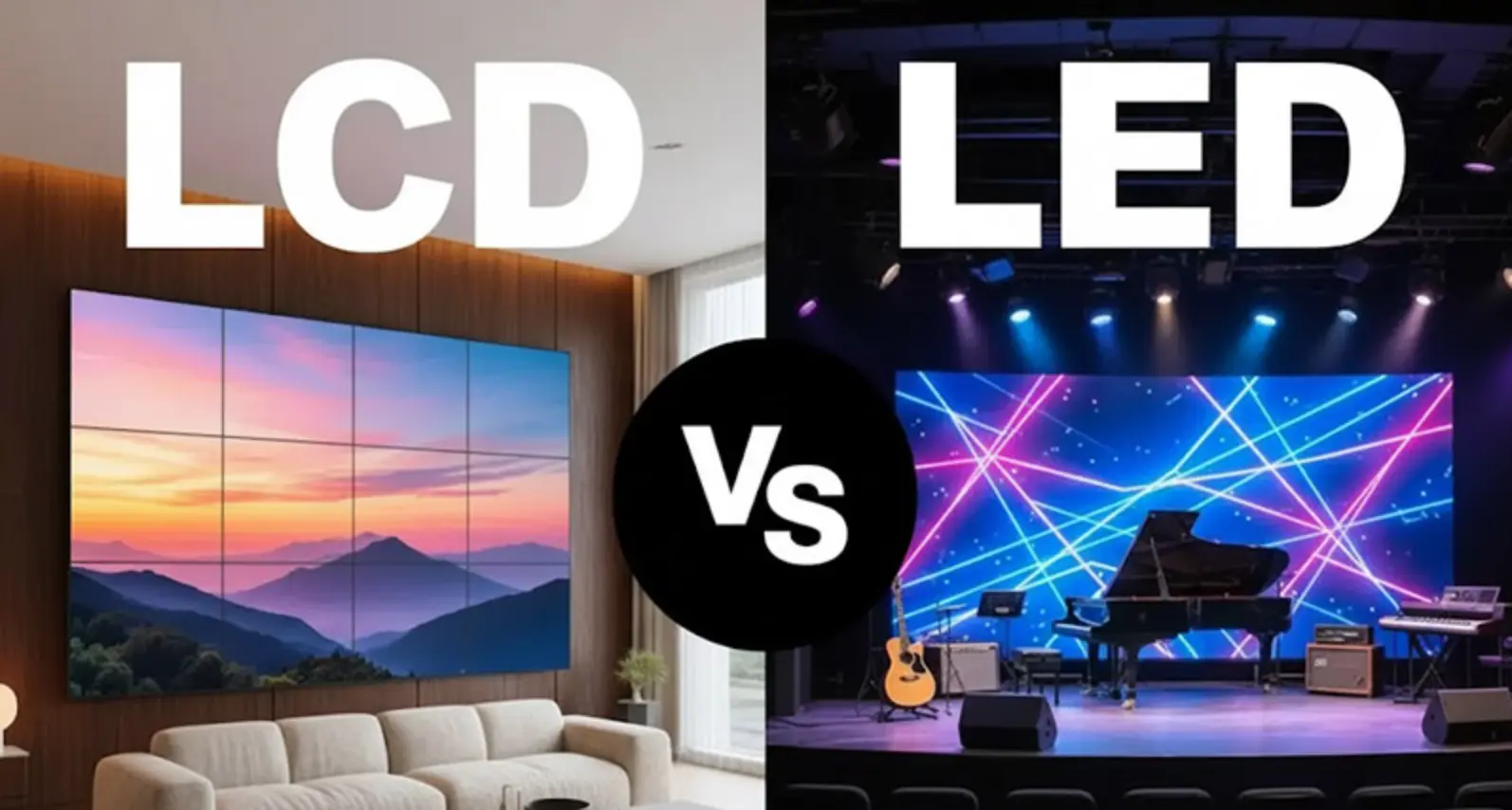
デジタルファーストな私たちの世界では、スマートフォンからスタジアムの巨大な広告ディスプレイまで、どこもかしこも画面に囲まれています。
デジタルファーストの現代において、画面は私たちの周りに至り処にあります。ポケットの中のスマートフォンから、スタジアムの大型広告ディスプレイまで。ディスプレイ技術といえば、常に2つの名前が話題を賑わせます。それはLCD(Liquid Crystal Display)とLED(Light Emitting Diode)です。では、一体何がこれら2つを分けているのでしょうか?
根本的な違いは、光の生成方法にあります。LCDスクリーンは、別体のバックライトソースからの光を遮断または透過させる液晶を使用しますが、LEDディスプレイは独自の発光を行う小さな発光ダイオードを内蔵しています。その結果、より明るい画像と優れたエネルギー効率を実現しています。
この包括的なガイドでは、LCDとLED技術に関する知っておくべきすべてを順を追って説明します。次のディスプレイ購入において、適切な判断を下すための支援となることをお約束します。
この記事の内容

LCDディスプレイの理解:クラシックな画面技術
LCDディスプレイとは?
液晶ディスプレイ(LCD)は、さまざまな電子機器に広く使用されているフラットで超薄型のディスプレイデバイスです。画像の表示には、電気を印加すると特性が変化する液晶という材料を用います。これらのクリスタル自体は光を発生させませんが、バックライトからの光の通過量を制御する小さなシャッターのような働きをします。
LCD技術の魅力はその効率性にあります。従来の技術に見られた「焼き付き」の問題なく、くっきりとした画像を生成します。そのため、コンピューターモニター、テレビ、携帯電話、タブレットコンピューター、そのほか多くの分野で広く利用されています。
LCD技術がどのように機能するのか?
真ん中に液晶が入ったサンドイッチを想像してみてください。電流が流れると、これらのクリスタルがねじれ、光を遮るか、カラーフィルターを通って光を通過させます。各微小領域(ピクセル)は個別に制御することができ、画面に表示される画像が作成されます。
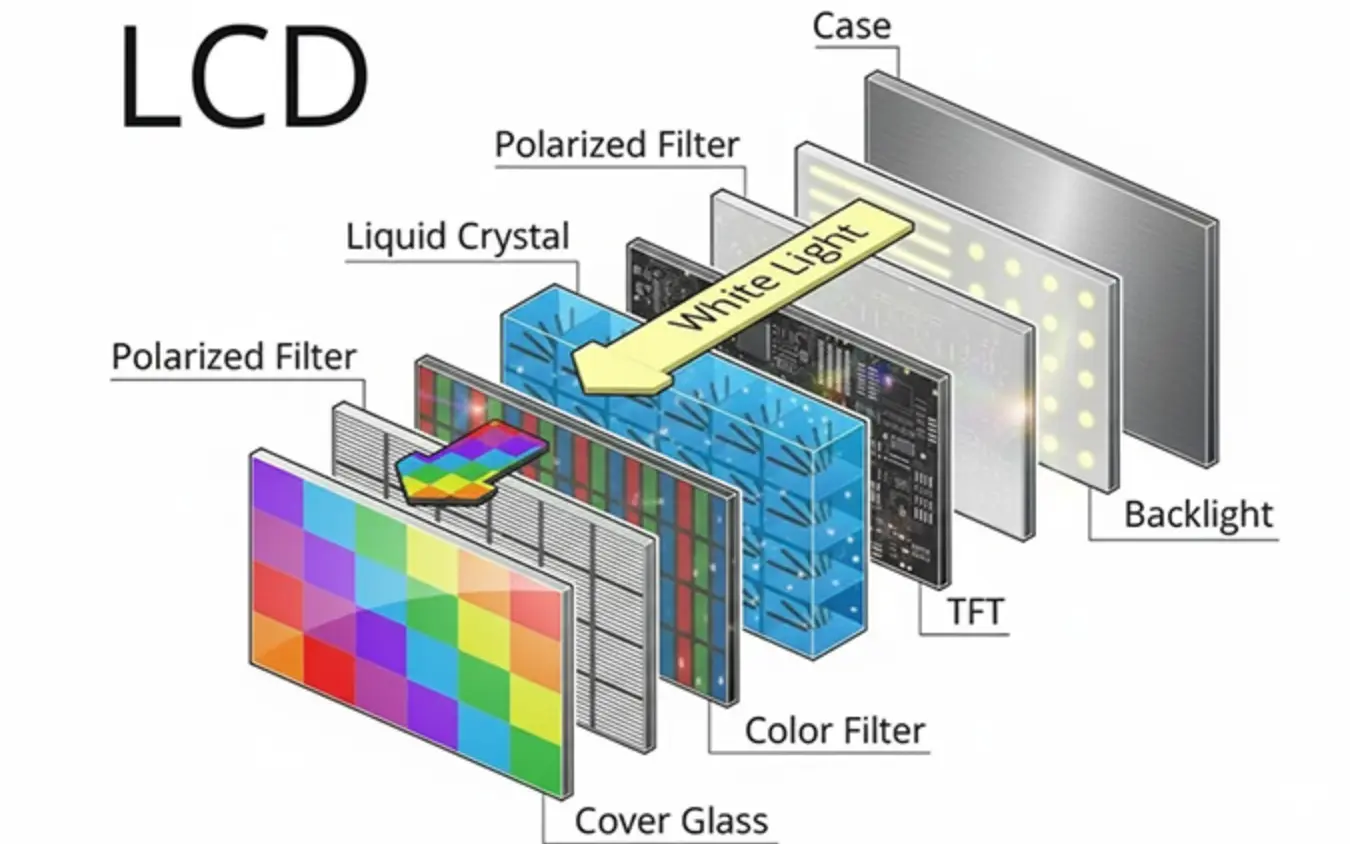
LCDディスプレイの主な構成要素
•バックライトユニット:画面の背後にある光源(現代のLCDはLEDバックライトを使用)
•液晶層:光の透過を制御するディスプレイの心臓部
•偏光フィルター:光の方向を制御し、よりクリアな画像を実現
•カラーフィルター:赤、緑、青の色を作り出し、それらが混ざって他のすべての色を形成
•制御電子回路:各ピクセルの動作を精密に制御
•ドライバ回路: 外部ソースからの信号を受信し、液晶分子を駆動するための電圧信号に変換します。
主な利点
✓ スリムで軽量なデザイン
✓ Energy efficient operation
✓ Long lifespan with no image retention
✓ Sharp, high-resolution images
Limitations
✗ Limited viewing angles
✗ Slight motion blur in fast action scenes
✗ Less perfect black levels due to constant backlight
LEDディスプレイ:モダンな照明革命
What is LED Display?
LED displays represent the next generation of screen technology. Instead of filtering light like LCDs, each tiny LED pixel creates its own light. This self-illuminating approach delivers superior brightness, deeper blacks, and more vibrant colors.
How LED Screens Create Images?
Each LED is like a microscopic light bulb that can be turned on or off individually. By controlling thousands or millions of these tiny lights with precision timing, LED displays create stunningly clear images with exceptional contrast.

LED Display Structure Breakdown
•Pixel Units: Individual light-emitting diodes arranged in grids
•Control Systems: Smart chips that manage brightness and color
•Power Management: Efficient systems that minimize energy use
•Modular Design: Allows for flexible sizing and custom shapes
•Protective Housing: Durable frames for indoor and outdoor use
LED Benefits:
✓ Incredible brightness even in sunlight
✓ Flexible sizing from small signs to massive video walls
✓ Exceptionally long lifespan
✓ Outstanding energy efficiency
Limitations
✗ Higher initial cost for premium models
✗ Resolution varies with viewing distance for large displays
✗ More complex installation requirements
主な違い:LCD vs LED の徹底比較
1. Light Source Technology LCD: Uses external backlight with liquid crystal filters LED: Self-emitting pixels create their own light
2. Image Quality Comparison LED displays consistently deliver better contrast with truer blacks and more vibrant colors. LCD screens can show some light bleed around edges, making blacks appear grayish.
3. Energy Efficiency LED technology uses significantly less power, especially important for large displays or continuous operation. LCDs require more energy to maintain consistent backlighting.
4. Design Flexibility While LCD panels come in standard sizes, LED displays can be customized into virtually any shape or size, from curved walls to transparent screens.
Comparison Table at a Glance:
| 機能 | LCD Display | LED Display |
| Light Source | Separate backlight | Self-emitting pixels |
| Brightness | Good for indoor use | Excellent for all conditions |
| Black Levels | 良好 | Exceptional |
| Energy Use | Moderate | Highly efficient |
| Thickness | Standard thickness | Ultra-slim options |
| Color Quality | Very good | Outstanding |
| Lifespan | Long | Extremely long |
| コスト | Budget-friendly | Premium investment |
| Best For | Home and office use, small devices | Billboards, Stadiums, Signage, Commercial Applications |
In conclusion, the difference between LCD and LED display is primarily in light emission, image quality, energy efficiency, and flexibility. For businesses and events seeking high performance, scalability, and superior visual impact, LED displays offer a more advanced and versatile solution.
実世界での応用:各技術が輝く場面
When comparing LCD and LED displays, application scenarios highlight key differences. LCD technology remains dominant in small personal devices like smartphones and monitors, while LED displays excel in large commercial settings such as デジタル看板 および公共の場で、優れた輝度とスケーラビリティを提供します。
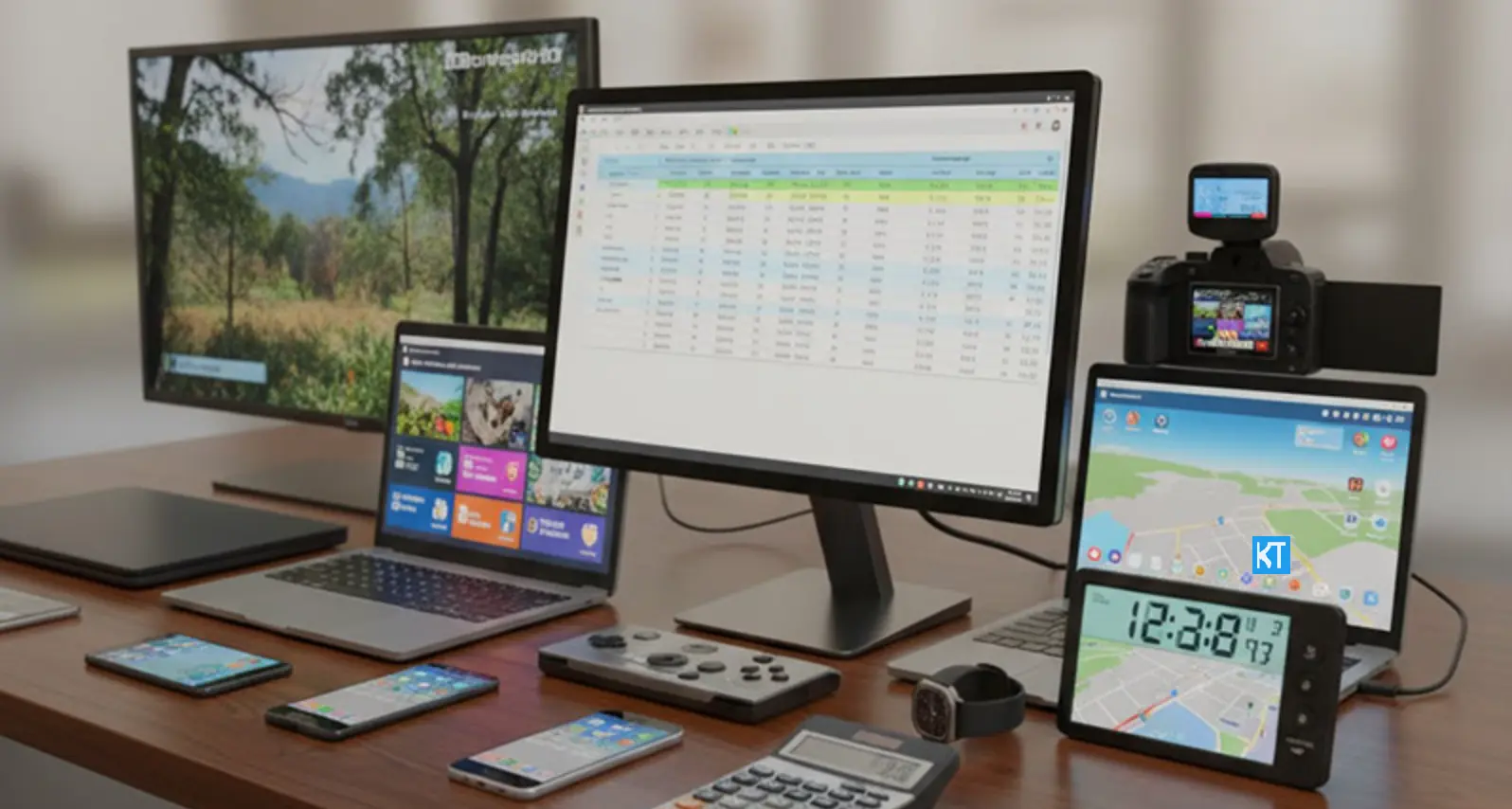
LCDディスプレイの用途
• 日常の電子機器:コストパフォーマンスが最も重要なノートパソコン、タブレット、コンピュータモニター、スマートフォンに最適。
• 家庭およびオフィス:画面を正面から見て照明が制御されている環境に理想。
• 基本的なデジタルサイネージ:屋内の情報ディスプレイや小売価格タグに最適。
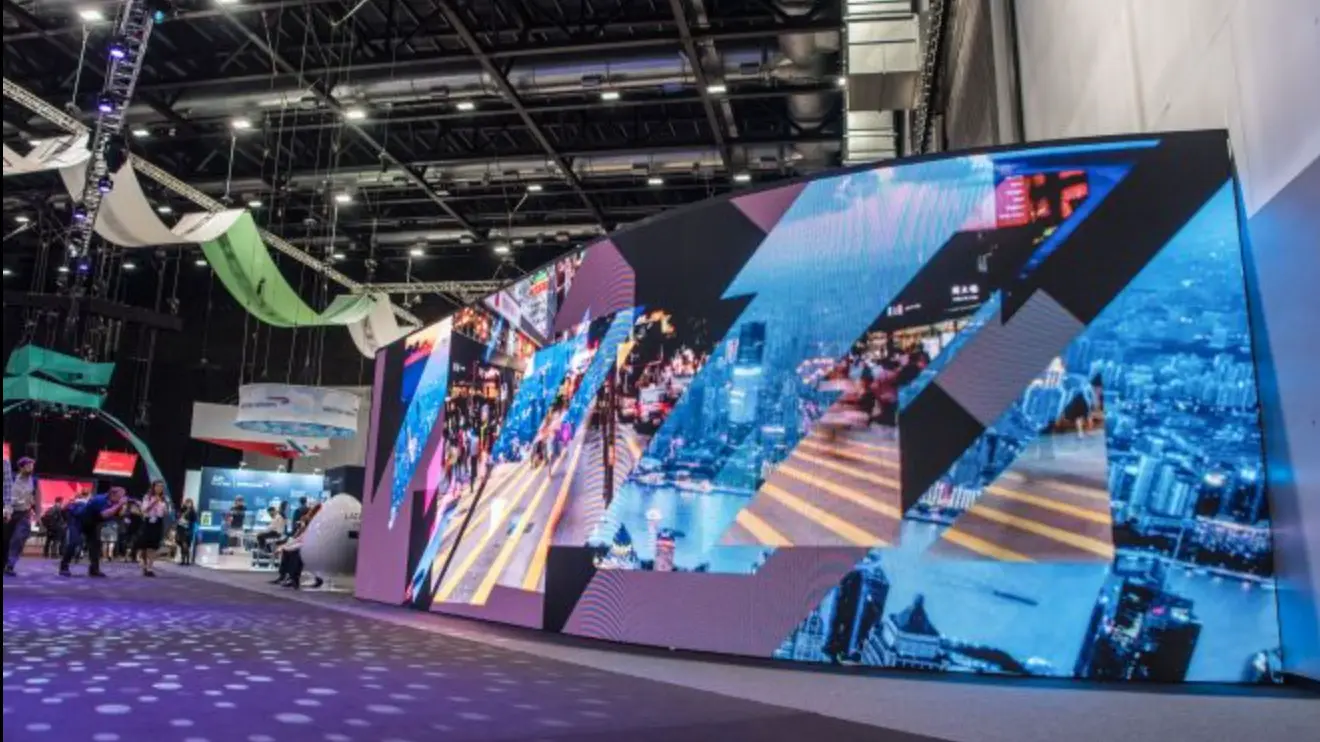
LEDディスプレイの応用
• 屋外広告直射日光下でも視認性が必要な屋外広告看板やビルラップ。
• リテール体験鮮やかなビジュアルで顧客の目を惹きつける、魅力的な店舗ディスプレイ。
• エンターテインメント施設インパクトが求められるスタジアムのスコアボード、コンサートのスクリーン、イベント用ディスプレイ。
• 交通ハブどの距離からでも視認性が求められる空港や駅のディスプレイ。
• クリエイティブなインスタレーション美術館の展示、見本市のディスプレイ、建築との統合など。
LCDとLEDの選択:あなたの決定ガイド
1. 映像品質の要件を考慮する If you prioritize deep blacks and vibrant colors for visual impact, LED is your best choice. For general viewing where cost matters more, LCD works perfectly.
2. Think About Your Space LED’s flexibility allows for custom sizes and shapes, while LCD comes in standard dimensions. Consider your installation space and viewing angles.
3. Evaluate Lighting Conditions LED performs brilliantly in bright environments, while LCD works best in controlled lighting situations.
4. Calculate Long-Term Value While LCD has lower upfront costs, LED offers better energy savings and longevity for continuous use.
5. Match Technology to Your Purpose Home entertainment? LCD often suffices. Business advertising? LED delivers superior results.
どちらの技術が勝つ?LCD vs LED の最終結論
For personal use like home TVs and computer monitors, LCD technology provides excellent value and performance. However, when it comes to commercial applications, advertising, or situations requiring maximum visual impact, LED displays clearly outperform their LCD counterparts.
The right choice depends entirely on your specific needs, budget, and application requirements.
まとめ
Both LCD and LED technologies have their place in today’s display landscape. LCD remains the go-to choice for affordable, reliable displays in personal and office settings. LED technology delivers premium performance for commercial applications where visual impact, flexibility, and longevity matter most.
When making your decision, consider your primary use case, budget constraints, and the specific performance characteristics that matter most to your situation. Whether you choose LCD or LED, understanding these fundamental differences ensures you’ll select the perfect display technology for your needs.
If you would like to know more our Led screen information and pricing, please contact us!
Want to confirm which solution fits your project? Contact us for a custom quote.
関連記事


